
Munich Opera Festival: How to Plan a Summer of Opera
How to plan tickets, hotels and dining around the Munich Opera Festival — the Bavarian State Opera's summer high point at the National Theatre — with practical, evergreen advice and dates to verify each year.

Photo: Julian Ostarek / Unsplash

- ✓The Munich Opera Festival (Münchner Opernfestspiele) is the Bavarian State Opera's summer climax, traditionally running through the second half of June and into July at the National Theatre on Max-Joseph-Platz.
- ✓It packs premieres, revivals, song recitals, concerts and ballet into a few intense weeks — the most concentrated opera you'll find in the city all year.
- ✓Tickets for festival headliners and star casts sell fast; the official Bavarian State Opera site is the cheapest, safest place to buy, and a public on-sale date is announced each spring.
- ✓Dates, programme, casts and prices change every year — treat everything here as evergreen guidance and confirm the current festival calendar before you book flights or a hotel.
What the Munich Opera Festival actually is
The Munich Opera Festival — the Münchner Opernfestspiele — is the grand finale of the Bavarian State Opera's season, a few weeks in high summer when one of the world's leading opera companies turns the volume all the way up. Instead of the usual rhythm of a performance here and there, the festival stacks the calendar with premieres, beloved revivals, concert evenings, song recitals and ballet, often several events a day across the company's stages. For a visitor, it's the single best window in the year to soak up Munich's opera life at its most intense.
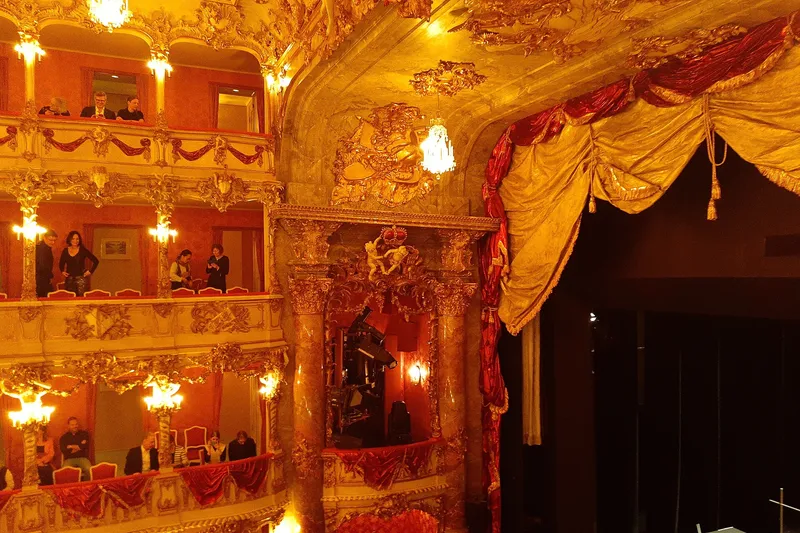
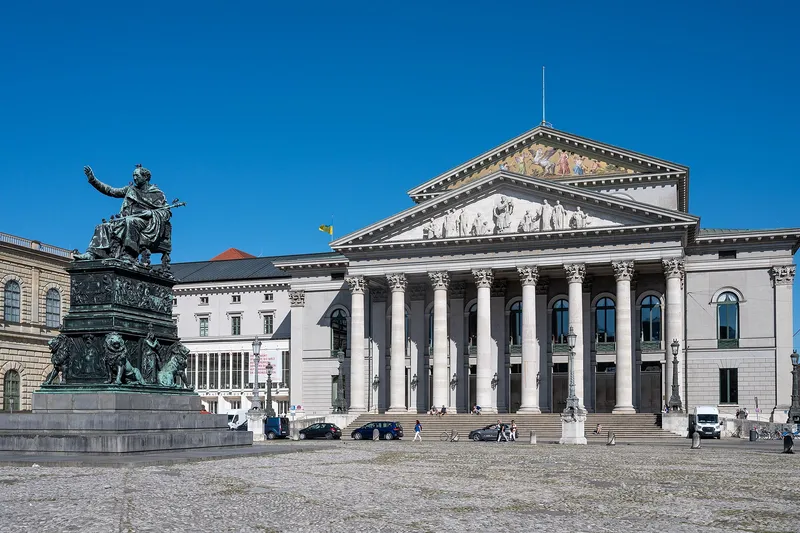
The heart of it all is the National Theatre (Nationaltheater) on Max-Joseph-Platz, the columned house beside the Residenz at the head of Maximilianstraße — the building most people mean when they say 'the opera' in Munich. The festival also spills into the company's other venues, including the intimate rococo Cuvilliés Theatre inside the Residenz and the Prinzregententheater, so a single trip can take in the grand and the jewel-box. The festival has run in some form for well over a century, and it closes the season before the house takes its deep summer break.
- Headline venue: the National Theatre on Max-Joseph-Platz, beside the Residenz.
- Also used: the Cuvilliés Theatre (rococo, intimate) and the Prinzregententheater, depending on the year's programme.
- Format: premieres, revivals, concerts, recitals and ballet packed into a few weeks.
- It's the climax of the season — the house typically rests over deep summer afterwards.
When does it happen?
The festival traditionally falls in the second half of June and runs into the end of July, finishing the season before the summer break. It's deliberately timed for the warm, long-evening weeks, when Munich is at its most inviting and an after-opera stroll through the lamplit centre is part of the night's pleasure. Because it sits squarely in peak travel season, the city — and its hotels — are busy, so the earlier you fix dates, the better.
Exact dates shift from year to year, and the festival's opening and closing nights, its premieres and its star recitals are announced as part of the annual programme rather than on a fixed calendar. Don't book non-refundable flights or rooms around a particular performance until you've confirmed it on the official site. If you want the festival atmosphere without chasing a specific cast, almost any night in the festival window delivers it.
- Typical window: mid/late June through the end of July (verify each year).
- It closes the season — high summer afterwards is the quiet stretch for opera.
- Peak tourist season citywide: book hotels and the big nights early.

How to get tickets — and how far ahead
Buy directly from the Bavarian State Opera's official website. It's the cheapest route, it avoids the steep markups of resellers, and it's the only way to be sure your ticket is genuine for a high-demand festival night. The company announces a public on-sale date for the festival each spring; the most sought-after evenings — premieres, famous works and star casts — can sell out quickly once booking opens, so for a specific performance you'll want to be ready when tickets are released rather than leaving it to the last minute.
That said, the festival is far from a closed door if you didn't plan months ahead. Prices span a wide range, from inexpensive upper-gallery and standing places to premium stalls, so opera here is more affordable than first-timers fear. Less-hyped performances often have seats available much closer to the date, and even sold-out nights sometimes release returns. If a night you want is gone, ask about returns at the box office before curtain, and look for any standing-room or day tickets the house may offer. On-sale dates, prices and standing-room policies change every year, so confirm them on the official site.
- Book on the official Bavarian State Opera website — cheapest and safest.
- Watch for the spring on-sale date and be ready for the headline nights.
- Cheap gallery and standing places keep the festival genuinely accessible.
- Sold out? Ask about returns at the box office before curtain; look for any day tickets.
Where to stay for the festival
The National Theatre sits in the most central, walkable corner of Munich, so almost any base inside or near the Altstadt puts you within an easy stroll or a short tram ride of the opera. For the full festival fantasy — eveningwear, a pre-show drink, no late-night transport to worry about — staying around Maximilianstraße and the Old Town is the natural choice, putting grand hotels and fine dining on the doorstep. It's the priciest area, and in peak summer rooms go fast, so book well ahead.
If you'd rather spend on tickets than rooms, Maxvorstadt, Lehel and the streets near the Hauptbahnhof all give you a quick, reliable connection back to Max-Joseph-Platz after the curtain, at a gentler price. Wherever you land, pick somewhere you'll be happy to walk or take a short U-/S-Bahn ride home from after a late finish — the after-opera city is at its most romantic, and you won't want a long, complicated journey to break the spell.
- Altstadt / Maximilianstraße — walk to the opera, grand hotels and dining; priciest, books out early.
- Lehel and Maxvorstadt — central, leafy and a short hop back after the show.
- Near the Hauptbahnhof — best value and transport, a quick ride to the centre.

Dining around the opera, before and after
The opera house is wrapped in some of Munich's best eating and drinking, which makes building an evening around a performance a pleasure. The streets around Max-Joseph-Platz, Maximilianstraße and the Residenz hold everything from grand hotel dining rooms to classic Bavarian restaurants and smart cafés. Book a table in advance for a pre-show dinner, tell them your curtain time, and keep it early and unhurried — a relaxed meal beats a rushed one, and festival nights fill the best tables.
Many opera-goers prefer to eat lightly before and save the main meal for after, when the streets are quieter and you can linger over the performance you've just seen. A glass of Sekt in the foyer at the interval is a Munich tradition worth keeping; afterwards, the grand bars near Maximilianstraße suit a celebratory nightcap, while a short walk towards the Old Town or the Glockenbachviertel opens up livelier, more casual options. On a warm festival night, the simplest plan — a glass somewhere with a view of the lamplit square — is often the loveliest.


Making the most of a festival visit
If you're timing a whole trip around the festival, a little structure helps. Pick one headline night you'll book early and plan firmly around — a premiere or a famous work with a cast you want to hear — and then leave the rest of the calendar loose enough to add a recital, a concert or a ballet as returns and availability appear. Mixing a grand evening at the National Theatre with something smaller at the Cuvilliés Theatre gives you both ends of the festival in a single visit.
Arrive in good time on the night: doors open well before curtain, and latecomers are usually admitted only at a suitable break, not mid-scene. Surtitles typically help you follow the story, so you don't need fluent German or Italian. There's no enforced dress code, but most of the audience dresses up for a festival evening, and dressing smartly is part of the occasion — err towards the smarter end if you can. And because high summer is also when the rest of Munich is at its best, leave daylight hours for the English Garden, the beer gardens and the city's parks between performances.
- Book one headline night early; keep the rest of the calendar flexible for returns.
- Pair the grand National Theatre with the intimate Cuvilliés Theatre for contrast.
- Arrive early — latecomers are seated only at a break.
- Dress smartly for the evening; surtitles help you follow the plot.

At a glance
A quick reference for planning. Dates, programme and prices change every year — confirm the current festival on the official Bavarian State Opera site before you book.
- What: the Bavarian State Opera's summer festival (Münchner Opernfestspiele).
- When: traditionally mid/late June into the end of July (verify each year).
- Where: the National Theatre on Max-Joseph-Platz, plus other company venues.
- Tickets: official website; watch for the spring on-sale date; book headliners early.
- Cost: cheap gallery/standing places up to premium stalls — more affordable than expected.
- Stay: Altstadt/Maximilianstraße for the full experience; central districts for value.
- Dress: no enforced code, but most dress smartly for a festival night.
Opera in Munich: A First-Timer's Guide
Where to see opera in Munich, how to book, what to wear, what an evening costs and where to eat nearby — a friendly first-timer's guide to the Bavarian State Opera and the city's other stages.
Read guide
Munich in July: Summer Parks, River Days and the Opera Festival
July is Munich at its warmest and most outdoor-minded. The beer gardens are full, the Eisbach surfers draw crowds, the Isar turns into the city's river beach, and the Opernfestspiele bring world-class opera to the heart of the Altstadt. Long, light-soaked evenings — with the odd dramatic afternoon thunderstorm — make it one of the loveliest, liveliest months to visit.
Read guide
Luxury Munich
How to spend a high-end weekend in Munich — the grand-dame hotels and design boutiques, the Michelin tables and beer-hall counterpoint, the opera and Maximilianstraße shopping, and the private touring that turns money into time.
Read guideMore in Events
6
Auer Dult, Munich
The Auer Dult is Munich's beloved traditional market fair — part flea market, part household-goods bazaar, part old-fashioned funfair — held three times a year on the Mariahilfplatz in the Au, beneath the spires of the Mariahilfkirche.
Read guide
Filmfest München: A Cinephile's Guide
A practical, cinephile's guide to Filmfest München — Germany's biggest summer film festival — covering when it runs, its venues, how tickets work, where to stay and how to plan a film-packed few days.
Read guide
Munich Christmas Market Food
What to eat and drink at Munich's Christmas markets — from the centrepiece Glühwein and its souvenir mug to roasted almonds, Lebkuchen and stollen on the sweet side, and the grilled sausages, potato pancakes and Käsespätzle that keep you warm on the savoury one, with the order of attack that makes a market evening a proper winter meal.
Read guide
Munich Christmas Markets
The full guide to Munich's Christmas markets — the grand Marienplatz Christkindlmarkt and the smaller, more characterful markets worth seeking out, when the season runs, how to dodge the crowds, what to eat and drink, and how to time a winter trip and its hotel around them.
Read guide
Munich Pride and CSD: The Complete Guide
Munich's Christopher Street Day — the city's Pride — fills the streets each summer with the PrideWeeks programme, a big parade and a two-day street festival on Marienplatz. Here's how the weekend works, where to base yourself, and how to take part respectfully.
Read guide
Munich Spring Festival (Frühlingsfest)
Munich's Frühlingsfest is the 'little sister of the Oktoberfest' — two beer tents, a funfair and a flea market on the Theresienwiese over a couple of weeks of spring, with the same Wiesn ground but a fraction of the crowds.
Read guide