
Opera in Munich: A First-Timer's Guide
Where to see opera in Munich, how to book, what to wear, what an evening costs and where to eat nearby — a friendly first-timer's guide to the Bavarian State Opera and the city's other stages.
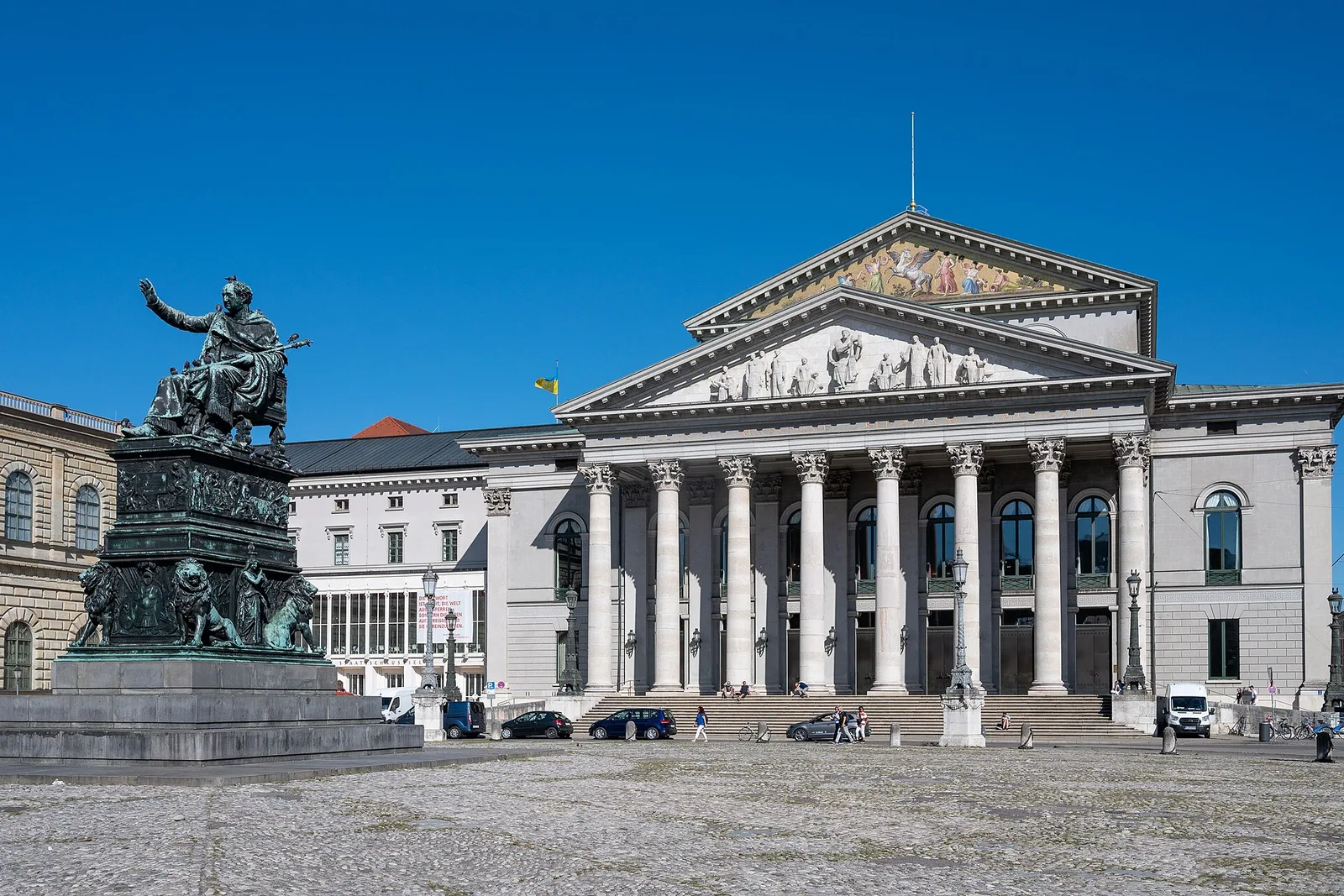
Photo: xiquinhosilva / Wikimedia Commons · CC BY 2.0

- ✓Munich is one of the great opera cities: the Bavarian State Opera (Bayerische Staatsoper) performs at the National Theatre on Max-Joseph-Platz, a short walk from Marienplatz.
- ✓You don't need to be an expert or rich to go — there are inexpensive seats and standing places, and the experience is welcoming to first-timers who book ahead.
- ✓There's no strict dress code, but most people dress smartly for an evening performance; the atmosphere is part of the pleasure.
- ✓Programmes, prices and booking windows change every season, so use this as evergreen guidance and confirm the current schedule and tickets on the official site.
Where opera happens in Munich
The headline house is the Bavarian State Opera (Bayerische Staatsoper), one of the world's leading opera companies, which performs at the National Theatre (Nationaltheater) on Max-Joseph-Platz, right beside the Residenz and at the head of Maximilianstraße. The grand columned building you see on the square is the auditorium; it's the place most visitors mean when they talk about 'the opera' in Munich, and it stages a full season of opera and ballet from autumn through the summer.
Munich's musical life doesn't stop there. The Gärtnerplatztheater (Staatstheater am Gärtnerplatz) is the city's more accessible state stage for operetta, musicals and lighter lyric theatre, with a friendlier price point and a charming square outside. The rococo Cuvilliés Theatre inside the Residenz complex occasionally hosts intimate performances in a jewel-box setting. For a first-timer, the National Theatre is the iconic choice; the Gärtnerplatztheater is the easier, lighter introduction.
- Bavarian State Opera at the National Theatre, Max-Joseph-Platz — the world-class flagship, opera and ballet.
- Gärtnerplatztheater — operetta, musicals and lighter works; more accessible and affordable.
- Cuvilliés Theatre (in the Residenz) — an intimate rococo setting for occasional performances.

How do I book tickets, and how far ahead?
Book through the opera house's official website — that's the cheapest and safest route, and it avoids the markups of resellers. Tickets for major productions and star casts can sell quickly, so for a specific date it's wise to look as soon as the season or the monthly schedule is released; popular nights and premieres go fastest. For more routine performances you can often find seats much closer to the date, and last-minute returns sometimes appear.
Prices span a wide range, from inexpensive upper-gallery and standing places to costly premium stalls, which is exactly why opera here is more accessible than first-timers fear. If a performance is sold out, ask about returns at the box office before the show, and look for any standing-room or day tickets the house may offer. Because prices, on-sale dates and any standing-room policies change every season, confirm the current details on the official site rather than assuming.
- Book on the official opera-house website to avoid reseller markups.
- For specific dates and star casts, book early — these sell fast.
- Cheaper upper-gallery and any standing places make opera surprisingly affordable.
- Sold out? Ask about returns at the box office before the performance.
What should I wear?
There is no enforced dress code at the Munich opera, and you won't be turned away for dressing simply — but most of the audience dresses up for an evening performance, and dressing smartly is part of the occasion's pleasure. Think smart-casual at a minimum: a jacket or a nice dress rather than jeans and trainers. For a premiere or a gala you'll see plenty of formalwear; for a regular weeknight performance, neat and tidy is perfectly fine.
Matinées and lighter venues like the Gärtnerplatztheater tend to be a touch more relaxed than a grand evening at the National Theatre. The honest advice for a first-timer is simple: you won't feel out of place if you dress smartly, and you might feel slightly underdressed in everyday clothes on a busy evening, so err towards the smarter end if you have the option.
What's the evening actually like — and how long?
An opera evening in Munich is an event, not just a show. Doors open well before curtain; arrive in good time, as latecomers are usually only admitted at a suitable break, not mid-scene. Most full operas run a few hours and include at least one interval, when the foyers and bars come alive — a glass of Sekt at the interval is a Munich tradition in itself. The auditorium is grand and the acoustics excellent; you don't need to understand every word, and many productions provide surtitles to help you follow the story.
Ballet evenings and lighter works at the Gärtnerplatztheater tend to be shorter and easier on a first-timer's attention. If you're new to opera, picking a famous, accessible work — a Mozart or a Puccini — for your first night is a kind way to start. Read a one-paragraph synopsis beforehand and let the music carry you; nobody expects you to arrive an expert.
- Arrive early — latecomers are typically seated only at a break.
- Expect a few hours with at least one interval (the foyers and bars are part of the fun).
- Surtitles usually help you follow the story; you don't need fluent German or Italian.
- For a first opera, choose an accessible classic and read a short synopsis beforehand.
Is opera in Munich good for first-timers and children?
Yes, on both counts, with a little planning. Munich's opera scene is welcoming to newcomers precisely because it's so well run: clear signage, helpful staff, surtitles to follow the plot, and a price range that lets you try the experience without a big outlay. You don't need any background to enjoy a night — the music, the staging and the sheer occasion carry you. Choosing a famous, melodic work for your first time, and reading a short synopsis beforehand, turns a daunting prospect into a thoroughly enjoyable evening.
For children, the lighter repertoire is the way in. The Gärtnerplatztheater and family or seasonal programmes often include works pitched at younger audiences, and ballet can captivate children who'd fidget through a long sung drama. A full grand opera at the National Theatre is a big ask for a young child given the length and the late finish, so match the performance to the attention span. Check each house's age guidance and family offerings, which vary by production and change each season.

Where to eat and drink before and after
The opera sits in one of the most walkable corners of Munich for a pre- or post-show meal. The streets around Max-Joseph-Platz, Maximilianstraße and the Residenz hold everything from grand hotel dining rooms to classic Bavarian restaurants and smart cafés, so you can build a proper evening around the performance. Book a table in advance for a pre-show dinner and tell them you have curtain time to keep to; an early, unhurried meal beats a rushed one.
Many opera-goers prefer to eat lightly before and have the main meal after, when the streets are quieter and you can linger. For a drink, the grand hotels and bars near Maximilianstraße suit a celebratory nightcap, while a short walk towards the Old Town or the Glockenbachviertel opens up livelier, more casual options. Wherever you land, the after-opera stroll through the lamplit centre is half the romance of the night.

When can I see opera — and the summer festival
The main opera season runs from autumn into summer, with performances most weeks; the house typically takes a summer break after the festival. The crown of the year is the Munich Opera Festival (Münchner Opernfestspiele), held in the summer, when the Bavarian State Opera packs the calendar with premieres, revivals and special events and the city's opera life is at its most intense. Tickets for festival highlights are in high demand, so plan and book well ahead if you're timing a trip around it.
Outside the festival, you can usually find a performance to suit most visits between autumn and early summer; the quietest stretch is the deep summer break. Exact season dates, festival timing and the programme change every year, so confirm the current calendar on the official site before you build a trip around a particular night.

At a glance
A quick first-timer's reference. Confirm the current programme, prices and dates on the official site, as these change every season.
- Main venue: Bavarian State Opera at the National Theatre, Max-Joseph-Platz (beside the Residenz).
- Easier intro: the Gärtnerplatztheater for operetta and musicals.
- Booking: official website; book early for specific dates and star casts.
- Cost: from cheap gallery/standing places to premium stalls — far more affordable than first-timers expect.
- Dress: no enforced code, but most dress smartly for an evening; err smart.
- Highlight season: the Munich Opera Festival in summer (verify dates).

Munich Opera Festival: How to Plan a Summer of Opera
How to plan tickets, hotels and dining around the Munich Opera Festival — the Bavarian State Opera's summer high point at the National Theatre — with practical, evergreen advice and dates to verify each year.
Read guide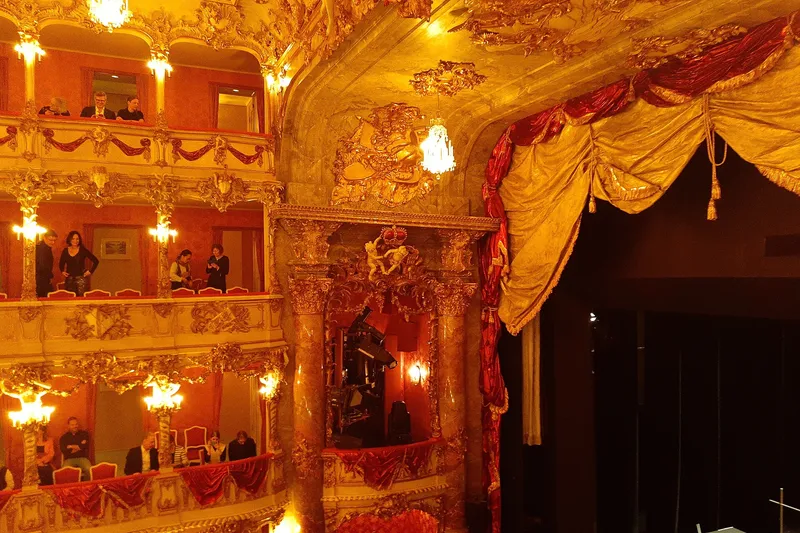
Cuvilliés Theatre
Visit the most beautiful rococo theatre in Germany — tucked inside the Residenz complex, where Mozart premiered Idomeneo in 1781. What to know about tickets, timing and the surprising survival story.
Read guide
Luxury Munich
How to spend a high-end weekend in Munich — the grand-dame hotels and design boutiques, the Michelin tables and beer-hall counterpoint, the opera and Maximilianstraße shopping, and the private touring that turns money into time.
Read guideMore in Things to Do
6
Allianz Arena, Munich
How to visit Munich's glowing football stadium — the self-guided Erlebnistour, the FC Bayern Museum, match-day logistics, and the easy U6 ride out to Fröttmaning.
Read guide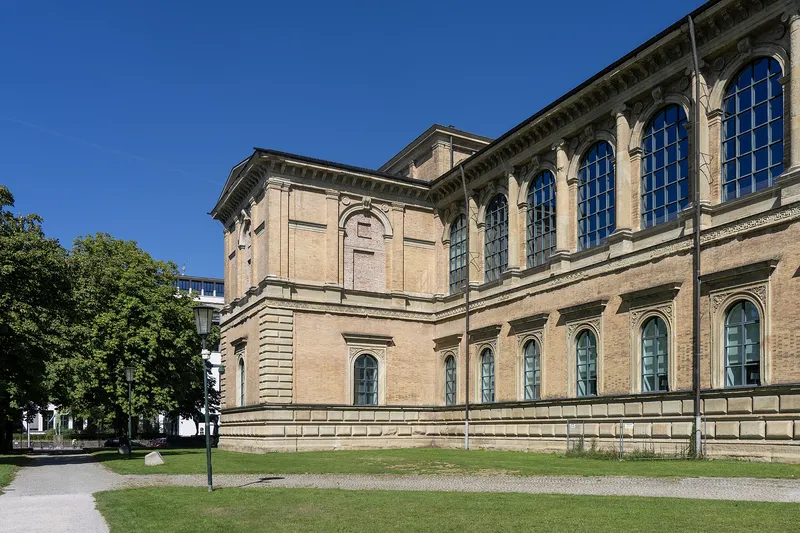
Alte Pinakothek, Munich
How to visit Munich's Old Masters gallery in the Kunstareal — the Dürers and Rubenses worth crossing town for, the Sunday-ticket angle, and how to build a wider museum-quarter day around it.
Read guide
Asamkirche, Munich
How to visit Munich's astonishing late-Baroque Asamkirche on Sendlinger Straße — the church two brothers built next to their own house — without overplanning it.
Read guide
Best Munich Tours
When a guided tour earns its place in a Munich trip — and which kind to pick. Old Town walks, food and beer crawls, football and BMW, the Third Reich history walk, and the big castle and Dachau day trips, weighed by time, cost and effort.
Read guide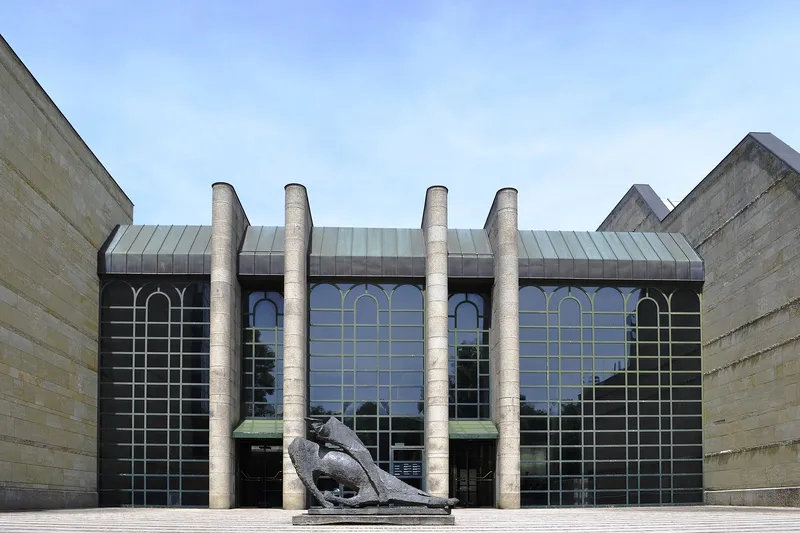
Best Museums in Munich
Choose the right Munich museum for you — by interest, by how much time you have, by which day of the week, and by how useful it is on a rainy day.
Read guide
Best Photography Spots in Munich
Rooftops, squares, churches, parks and palaces — the most photogenic places in Munich, with the light and timing notes to shoot each one well.
Read guide