
Maxvorstadt, Munich
Munich's museum quarter and university heart — the Kunstareal's Pinakotheken, leafy student streets, third-wave coffee and boutique hotels, and why it's one of the best-value central bases in the city.

Photo: Tobias Seiler / Unsplash

- ✓Maxvorstadt holds the Kunstareal — the densest art quarter in Munich, with the three Pinakotheken, the Brandhorst and the Lenbachhaus all within a few minutes' walk.
- ✓Two big universities (LMU and the Technical University) give the district a young, café-heavy, term-time buzz and student-friendly prices.
- ✓It sits directly north of the Altstadt — close enough to walk into the old town in ten or fifteen minutes, but quieter and cheaper to stay in.
- ✓The streets are some of the loveliest in central Munich: broad, tree-lined and lined with handsome nineteenth-century façades.
- ✓It's a strong base for a museum-and-coffee trip rather than a nightlife one — calm in the evenings, with the action a short tram or U-Bahn ride away.
The shape of the neighbourhood
Maxvorstadt was Munich's first planned expansion beyond the medieval walls, laid out in the early nineteenth century under King Maximilian I Joseph — which is where the name comes from — and it still wears that origin well. The streets are wide and rationally gridded, the apartment blocks are tall and dignified in ochre, cream and grey, and the whole district has the settled, slightly grand feel of a quarter that was built on purpose rather than grown by accident. It runs roughly from the edge of the Altstadt and Odeonsplatz in the south up toward Schwabing in the north, with Königsplatz and its neoclassical temples anchoring the western side.
What makes it tick today is the unusual overlap of two worlds. On one hand it is Munich's museum district, home to the Kunstareal — an extraordinary concentration of major galleries packed into a few blocks. On the other it is the city's main university quarter, with the Ludwig Maximilian University (LMU) and the Technical University of Munich (TUM) bringing tens of thousands of students through its cafés, bookshops and cheap-eat counters. The result is a neighbourhood that is cultured and calm but never stuffy — a place where you can spend a morning with Rembrandt and an afternoon over a flat white surrounded by people half your age.
For a visitor, Maxvorstadt's great selling point is its position. It is genuinely central — you can walk into the heart of the Altstadt in a quarter of an hour — yet it stays noticeably quieter and better value than the old town itself. If your idea of a good Munich trip leans toward art, coffee and unhurried streets rather than beer halls and crowds, this is very probably your neighbourhood.
The Kunstareal: Munich's museum quarter
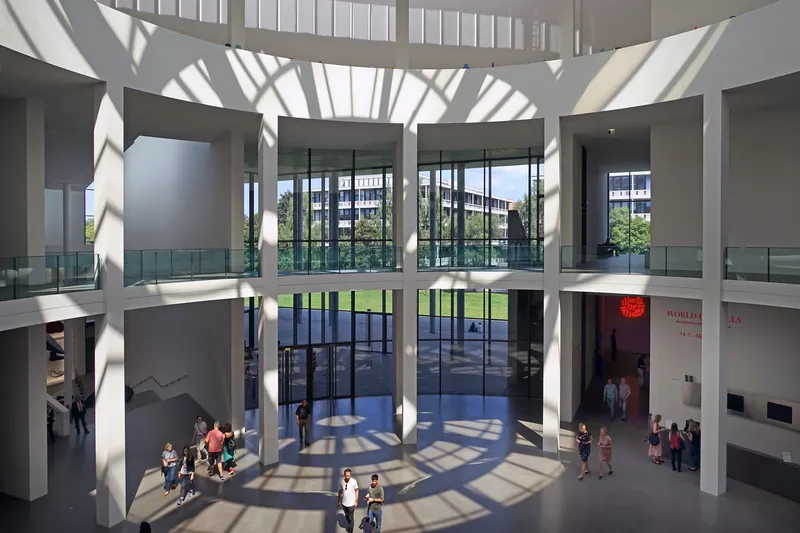
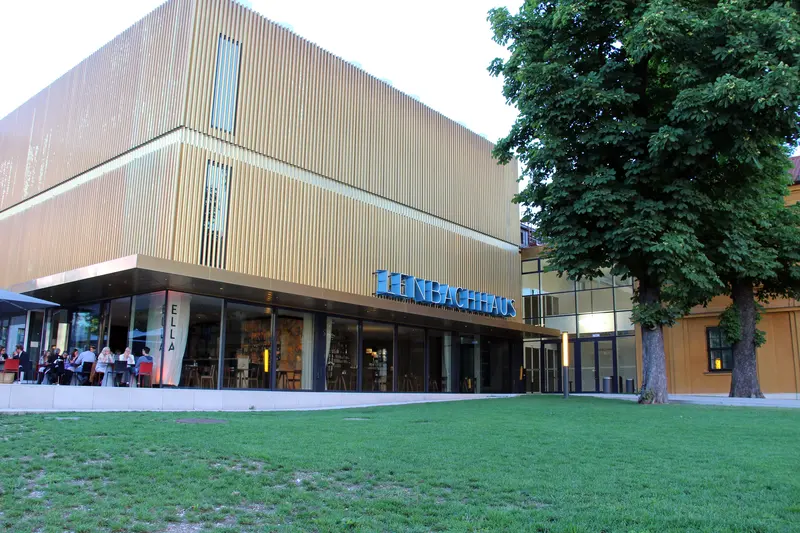
The reason most travellers come to Maxvorstadt is the Kunstareal — literally the "art district" — and it really does live up to the name. Within a walkable square you'll find the Alte Pinakothek (Old Masters, from Dürer to Rubens), the Pinakothek der Moderne (modern art, design and architecture under one vast rotunda), the Museum Brandhorst (contemporary art behind a famously colourful façade of ceramic rods), and the Lenbachhaus, whose collection of Blue Rider (Blauer Reiter) paintings by Kandinsky, Marc and Münter is one of the finest of early modern art anywhere. The Neue Pinakothek, the nineteenth-century counterpart, has been closed for a long-running renovation — check its current status before you plan around it.
The smart move is not to try to do them all. Museum fatigue is real, and these are large, serious collections. Pick one or two by interest — Old Masters at the Alte Pinakothek, modern and design at the Pinakothek der Moderne, the Blue Rider at the Lenbachhaus — and give them proper time. A long-standing local tip worth verifying before you go: several of the state museums (the Pinakotheken among them) traditionally let you in on Sundays for just a token reduced fare, which can make a multi-museum day far cheaper if you don't mind the crowds — confirm the current Sunday price on the museums' own sites, as it has been known to change.
Beyond the headline galleries, the quarter rewards wandering. Königsplatz, with its neoclassical Propylaea gateway and the Glyptothek and Antikensammlungen flanking it, is one of Munich's grandest open spaces — and also a place of difficult twentieth-century history, addressed thoughtfully by the nearby NS-Dokumentationszentrum. Between the museums, small parks and café terraces give you somewhere to sit and digest what you've seen.
Coffee, cafés and the student streets
If the Kunstareal is the district's headline, its café culture is the everyday pleasure. Maxvorstadt is one of the best parts of Munich for coffee — the student population and the creative, academic crowd have drawn a strong cluster of independent and third-wave coffee bars, where the espresso is taken as seriously as the wine elsewhere in the city. Spend a morning here and you'll see the rhythm: laptops and lecture notes by day, long unhurried conversations over a second cortado, the smell of fresh pastry from the corner bakery.
The streets to wander are the ones around the university — the area between LMU's main building on Geschwister-Scholl-Platz, Türkenstraße and Schellingstraße is the classic Maxvorstadt café-and-bookshop belt, full of small eateries, secondhand bookstores and cheap, good lunch spots aimed at students. Schellingstraße in particular has a long, lived-in character; it's where you go for a casual bite between museums rather than a grand meal. Because so much of the food here is pitched at a university budget, it's also one of the more affordable central areas to eat well without ceremony.
Geschwister-Scholl-Platz itself is worth a pause for more than coffee. The square in front of the university is named for Hans and Sophie Scholl of the White Rose resistance group, and a small, moving memorial of bronze leaflets set into the paving marks where their anti-Nazi pamphlets were scattered. It's a quiet, easy-to-miss spot that gives the cheerful student quarter a deeper note.

Where to stay, and who it suits
Maxvorstadt is one of the most appealing central bases in Munich for a particular kind of traveller. It's quieter and generally better value than the Altstadt, yet still within easy walking distance of the old town, and it's exceptionally well connected: the U-Bahn threads through it, trams run along its main avenues, and you're a short ride from the Hauptbahnhof and everywhere else. For a museum-led trip, you can wake up, walk to the Pinakotheken before the crowds, and be in Marienplatz for lunch.
On accommodation, the district leans toward smart boutique and mid-range hotels rather than the big international names — design-conscious places that suit the neighbourhood's cultured, low-key character. (Specific hotels, room rates and availability change constantly, so check current listings and prices when you book rather than relying on any fixed recommendation.) The trade-off to be aware of: Maxvorstadt is not a nightlife quarter. Evenings here are calm — cafés and wine bars, not clubs — so if late nights out are central to your trip you'll be commuting to the Glockenbachviertel or Isarvorstadt for them.
In short, choose Maxvorstadt if you want art, coffee, handsome streets and a central-but-peaceful base, and you don't mind a short hop to the louder parts of town. It's a poor fit if you want to roll out of a beer hall and into bed, but close to ideal for a slower, more cultural read of Munich.


Getting around and orientation
Maxvorstadt is easy to read once you fix a few anchor points. The southern boundary runs along the grand axis of Brienner Straße and the Altstadt edge near Odeonsplatz; Königsplatz sits to the west; the Pinakotheken cluster in the middle; and the district fades into Schwabing somewhere up around the university and the Siegestor, the triumphal arch that marks the handover between the two. If you keep Königsplatz, the Pinakotheken and the university in your mental map, you won't get lost.
Transport is excellent. Several U-Bahn lines serve the district — the stops around Königsplatz, Universität, Theresienstraße and Odeonsplatz put you within a short walk of almost everything — and trams run along the main avenues, including the handy line up Barer/Türken-side streets toward the museums. From anywhere in Maxvorstadt the Hauptbahnhof is a few minutes away, which makes day trips and airport transfers painless. Honestly, though, the best way to experience the quarter is on foot: it's flat, compact and made for walking, and the distances between café, museum and old town are all comfortably strollable.
If you're cycling, the district is bike-friendly and well placed for riding into the English Garden to the east or down into the Altstadt to the south. For a first orientation walk, a loop from Königsplatz through the Kunstareal to the university and back via the café streets takes in the essentials in a couple of unhurried hours.

A day in Maxvorstadt
To see how the pieces fit, picture an unhurried day. Start with coffee on or near Türkenstraße while the museums open, then give a focused two or three hours to a single gallery — say the Alte Pinakothek for the Old Masters, arriving early to have the great rooms to yourself before the school groups. Surface for a student-priced lunch on Schellingstraße, where the choice runs from a quick bite to a proper sit-down without fuss.
Spend the afternoon more loosely: Königsplatz and its neoclassical architecture, a slower museum if you have the appetite, or simply the bookshops and side streets. Pause at Geschwister-Scholl-Platz for the White Rose memorial and the calm of the university forecourt. As the day cools, drift south toward Odeonsplatz and the edge of the Altstadt — you're a quarter of an hour from Marienplatz on foot — or east into the English Garden if the weather's good.
End the evening here over wine or in a quiet bistro, or carry it down into the busier quarters across town. That's the rhythm Maxvorstadt rewards: culture in measured doses, good coffee throughout, and handsome streets to do it all in.

At a glance
What it is: Munich's planned nineteenth-century museum-and-university quarter, just north of the Altstadt.
Why stay here: central but calmer and better value than the old town, with the city's best art on the doorstep.
Don't miss: the Kunstareal museums; the café streets around the university; Königsplatz; the White Rose memorial.
Best for: art lovers, coffee people and travellers who want a quiet, cultured central base.
Less good for: nightlife — evenings are calm, with bars and clubs a short ride away.
Getting around: well served by U-Bahn and tram; a 10–15 minute walk into the Altstadt.
- Pick one or two Kunstareal museums rather than trying to see them all in a day.
- Check the Neue Pinakothek's current closure status and any reduced-admission Sunday before planning.
- Hotel names and rates change — verify current listings and prices when you book.

Munich Neighborhoods Guide
A traveller's map of Munich's quarters — what each one feels like, what it's good for, and which to book. From the postcard Altstadt and museum-rich Maxvorstadt to leafy Lehel, bohemian Schwabing and the lively Glockenbachviertel, with the practical logic for choosing a base.
Read guide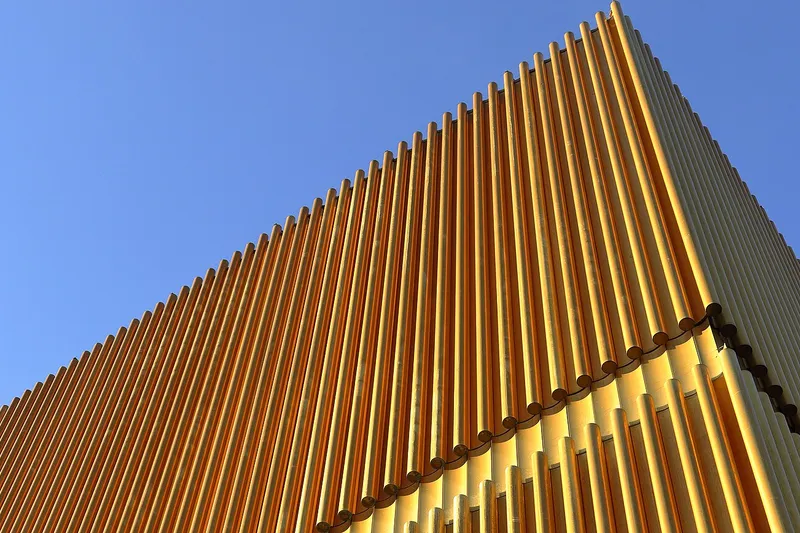
Kunstareal, Munich's Museum Quarter
How to plan a day in the Kunstareal — Munich's museum quarter in Maxvorstadt, from the three Pinakotheken and Brandhorst to the Lenbachhaus, Königsplatz and the cafés in between.
Read guide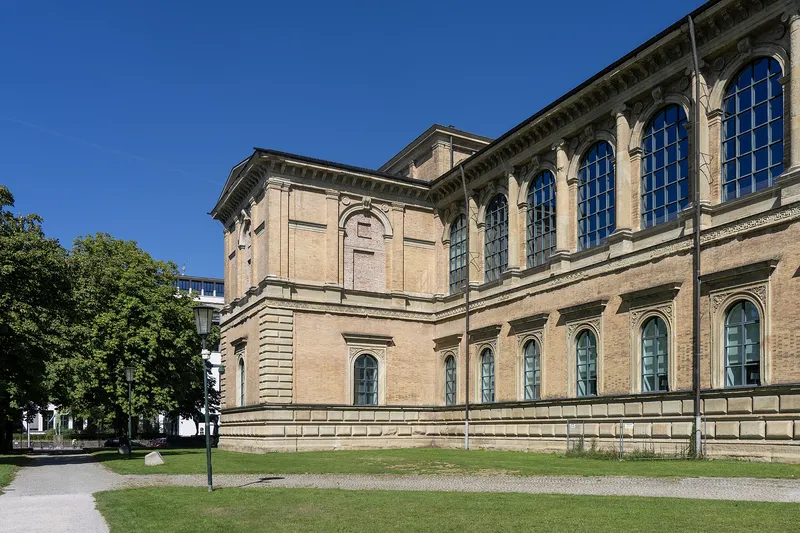
Alte Pinakothek, Munich
How to visit Munich's Old Masters gallery in the Kunstareal — the Dürers and Rubenses worth crossing town for, the Sunday-ticket angle, and how to build a wider museum-quarter day around it.
Read guideMore in Neighborhoods
6
Altstadt Munich Guide
Munich's Old Town, the Altstadt, holds the city in miniature — Marienplatz and the Glockenspiel, the Frauenkirche, the Viktualienmarkt, the Residenz and the Hofbräuhaus, all inside a flat, walkable ring. Here's what to see, where to eat, where to stay, and how to sidestep the busiest hours.
Read guide
Around Olympiapark, Munich
The northern districts around Olympic Park, BMW Welt and the Olympic Village — a green, modern, family-friendly zone with strong transit links and easy reach of the Allianz Arena.
Read guide
Au, Munich
A local-feeling riverside quarter on the Isar's east bank — home to the thrice-yearly Auer Dult market, the Nockherberg and its strong-beer season, and quieter food and evenings away from the crowds.
Read guide
Best Area to Stay in Munich for a First Visit
A decisive, opinionated answer for first-timers — why the Altstadt (or its quiet fringe) is the right base for a first Munich trip, with Lehel, Maxvorstadt and Schwabing as the best alternatives and the station area as the value play.
Read guideBest Hotels in Munich
How to pick the right Munich hotel — curated shortlists organised by area, by style, by budget and by season, with a clear method for choosing rather than a stale list of names, plus deeper guides to luxury and budget stays.
Read guide
Boutique Hotels in Munich
Where to find Munich's stylish smaller stays — the design-led boutiques of Maxvorstadt's museum quarter, the romantic Altstadt corners, and the bar-and-bistro hotels of the Glockenbachviertel — and how to pick the right one for your kind of trip.
Read guide