
Königsplatz, Munich
A guide to Königsplatz — Munich's grand neoclassical square, its three temple-like museum buildings, the difficult Nazi-era history written into its stones, and how it anchors the Kunstareal.
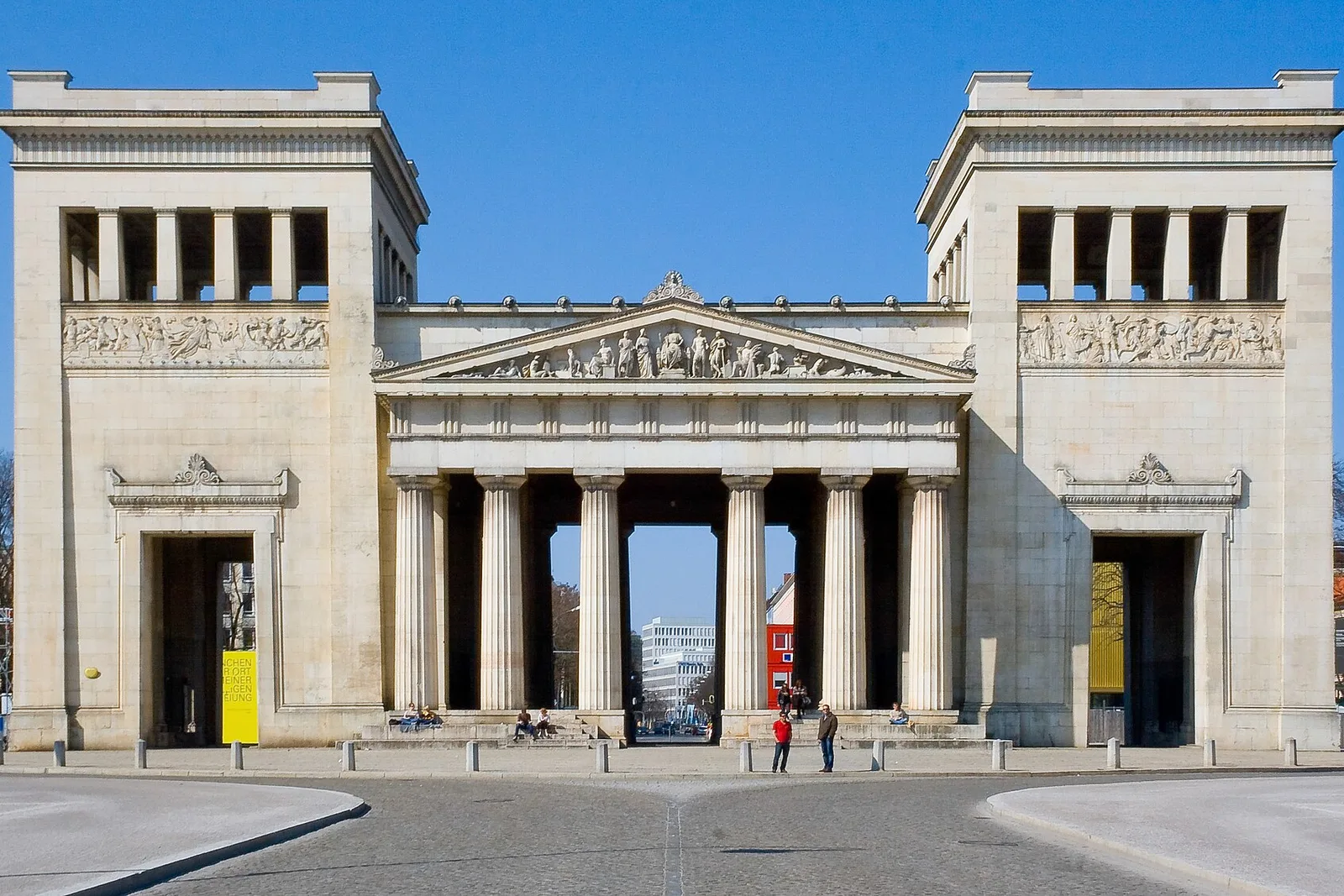
Photo: Diego Delso / Wikimedia Commons · CC BY-SA 3.0

- ✓Königsplatz is one of Europe's purest neoclassical squares — King Ludwig I's vision of 'Athens on the Isar', framed by three temple-fronted buildings: the Propyläen gateway, the Glyptothek and the Staatliche Antikensammlungen.
- ✓The Glyptothek holds Greek and Roman sculpture; the Antikensammlungen opposite shows ancient vases, bronzes and jewellery — two of Germany's finest antiquities collections face each other across the lawn.
- ✓The square has a dark second history: the Nazis turned it into a parade ground and built their party headquarters here, and the NS-Dokumentationszentrum now stands on the edge to confront that past.
- ✓It sits in the Kunstareal, a short walk from the Lenbachhaus and the Pinakotheken, so it folds easily into a museum day.
Ludwig I's 'Athens on the Isar'
Königsplatz is the grandest expression of a royal obsession. King Ludwig I of Bavaria — a passionate philhellene who dreamed of making Munich a northern Athens — had the square laid out in the first half of the nineteenth century as a stage set of classical antiquity. Three buildings frame a wide open space: the Propyläen, a monumental Doric gateway modelled on the entrance to the Athenian Acropolis; the Glyptothek, built to house ancient sculpture; and, facing it, the building now home to the Staatliche Antikensammlungen. The effect is deliberately theatrical — you step out of a busy modern district into a calm, columned outdoor room that looks two thousand years older than it is.
Today the central lawn is a relaxed public space; on a sunny afternoon students stretch out on the grass between the temples, and in summer the square sometimes hosts open-air concerts and events. It's free to walk through at any time, and simply standing at the centre, turning to take in all three façades, is one of Munich's quieter pleasures.
The antiquities museums: Glyptothek and Antikensammlungen
The two ancient-art museums on the square are easy to confuse and worth telling apart. The Glyptothek, on the north side, is devoted to ancient sculpture — Greek and Roman marbles and bronzes, including celebrated pieces from a temple on Aegina and a famous Hellenistic figure of a drunken old woman, displayed in a serene domed building that is itself a work of Ludwig-era classicism. Facing it across the lawn, the Staatliche Antikensammlungen holds smaller ancient objects: Greek painted vases, gold jewellery, bronzes and terracottas, one of the most important collections of its kind in Europe.
Both are compact and rewarding, and either makes a fine, focused stop of an hour or so — a gentle counterweight to the bigger painting museums nearby. As state museums they have their own opening days, prices and concessions; these change, so confirm hours and admission on the official sites before you go, and check whether the reduced-Sunday rate applies on the date you're planning (please verify).
- Glyptothek — Greek and Roman sculpture in a domed neoclassical hall (north side).
- Staatliche Antikensammlungen — ancient vases, bronzes, gold and terracottas (south side).
- Each is a manageable one-hour visit; verify current hours, prices and any Sunday rate.
The square's other history
Königsplatz carries a heavier story alongside its classical beauty, and an honest visit acknowledges it. In the 1930s the Nazi party, headquartered in Munich, seized on the square's monumental scale: they paved over the central lawn with granite slabs for mass rallies and built the party's administrative buildings on its eastern flank, including the so-called 'Führerbau'. The square became a site of propaganda and parade. After the war the granite was eventually removed and the lawn restored, but two of the Nazi-era buildings survive in reused form, and the layout still bears traces of that period.
The most direct reckoning stands on the square's edge: the NS-Dokumentationszentrum, the Munich Documentation Centre for the History of National Socialism, opened in 2015 on the site of the former Nazi party headquarters. It's a sober, important counterpoint to the antiquities museums, and many visitors pair the two deliberately — the ancient ideals Ludwig admired, and the modern catastrophe that exploited his stage set. Treat that pairing with care rather than as a tourist tick-box.
Reading the three buildings
Stand in the middle of the square and the three façades tell you exactly what Ludwig I was reaching for. To the west, the Propyläen closes the view with its great Doric gateway, its pediments carved with scenes from the Greek War of Independence — a nod to Ludwig's son Otto, who briefly became King of Greece. To the north, the Glyptothek presents an Ionic temple front; to the south, the Antikensammlungen answers with a Corinthian one. Three of the classical orders, three temple fronts, one open square: the whole place is a lesson in ancient architecture laid out for you to walk around.
It's a free and quietly moving experience even if you never go inside a museum. Come early or late for the light, when the limestone warms and the square empties, and you'll understand why Munich was once nicknamed 'Isar-Athen' — Athens on the Isar. It is also one of the city's better photography spots precisely because the symmetry is so deliberate.

At a glance
A quick planning reference — the square is free and always open; confirm museum hours and admission on their official sites, as these change.
- Where: Maxvorstadt, ~15 min walk from Marienplatz; the heart of the Kunstareal.
- Nearest transit: U2 Königsplatz, directly beneath the square.
- Cost: free to walk through; admission only when you enter the Glyptothek or Antikensammlungen.
- On the square: the Propyläen gateway, the Glyptothek (sculpture) and the Staatliche Antikensammlungen (vases, bronzes, gold).
- On the edge: the NS-Dokumentationszentrum, on the site of the former Nazi party HQ.
- Best time: early or late for the light and the emptier square.
Seasons, events and a word on respect
The square changes with the year. In summer it can become a venue: open-air concerts and cultural events occasionally fill the lawn, and on a warm evening the steps and grass draw locals winding down after work. In winter the limestone and the bare trees give it a austere, almost monochrome beauty. Whatever the season, the early and late hours are the most rewarding for the light and the relative quiet — confirm any event dates separately, as the programme varies from year to year (please verify).
It's also worth holding two things in mind at once here. Königsplatz is genuinely beautiful, and there's no harm in enjoying it as that. But the square's twentieth-century history is not a footnote, and the surviving Nazi-era buildings and the documentation centre on its edge are reminders that this elegant stage set was once put to terrible use. You don't have to turn every visit into a history lesson, but a little awareness — and restraint with how you photograph and behave around the memorial sites — is the decent way to be here.

Getting there and folding it into a museum day
Königsplatz has its own U-Bahn station — the U2 stops directly beneath the square — and it's a pleasant fifteen-minute walk up from the Altstadt, or a few minutes from anywhere else in the Kunstareal. There's nothing to book and no admission to walk across the square itself; the cost only begins when you step into one of the museums.
Because the Lenbachhaus sits right on the western corner and the Pinakotheken are a short walk north, Königsplatz is a natural hinge in a museum day. A good rhythm: the Blue Rider at the Lenbachhaus, a stroll across the lawn, an hour with the antiquities, and — if you have the emotional energy and have given it the seriousness it deserves — the NS-Dokumentationszentrum. Keep it to two indoor stops with the open square as your breathing space in between.
Frequently asked questions about Königsplatz
What is Königsplatz? It is Munich's grand neoclassical square, laid out in the 19th century for King Ludwig I as part of his vision of the city as a 'new Athens'. Three temple-fronted buildings frame it — the Propyläen gateway, the Glyptothek of Greek and Roman sculpture, and the Staatliche Antikensammlungen of ancient vases, bronzes and gold — set around a broad open lawn. It anchors the Kunstareal, the city's dense museum quarter, and is free to walk across; only the museums charge admission.
Why does Königsplatz have a difficult history? In the Nazi era the square's monumental scale was exploited for rallies and parades, and several party buildings stood on and around it — including the former headquarters now occupied by the NS-Dokumentationszentrum, the documentation centre on the square's edge. The grass that softens the square today was laid in the post-war decades partly to undo that appropriation. The square is therefore both a showpiece of royal neoclassicism and a place that confronts the 20th century honestly.
Is there anything to pay for, and how long does it take? Crossing the square and admiring the architecture is free and takes only a few minutes. The two antiquities museums each reward an hour or so, and the NS-Dokumentationszentrum needs at least ninety minutes to two hours and real emotional space. A good visit pairs the square with one or two of these indoor stops rather than trying to do everything at once.
How do I get there and what should I combine it with? The U2 stops directly beneath the square at Königsplatz, and it is a pleasant fifteen-minute walk up from the Old Town. It sits at the heart of the Kunstareal, so it folds naturally into a museum day — the Lenbachhaus and its Blue Rider collection are on the western corner, and the Pinakotheken are a short walk north. Keep it to two indoor stops with the open square as your breathing space between them, and verify museum hours and admission before you go.
- A free-to-cross neoclassical square framed by the Propyläen, Glyptothek and Antikensammlungen.
- Carries a difficult Nazi-era history, confronted by the NS-Dokumentationszentrum on its edge.
- Anchors the Kunstareal museum quarter — pair it with the Lenbachhaus or the Pinakotheken.
- U2 to Königsplatz, or a 15-minute walk from the Old Town; verify museum hours and admission.
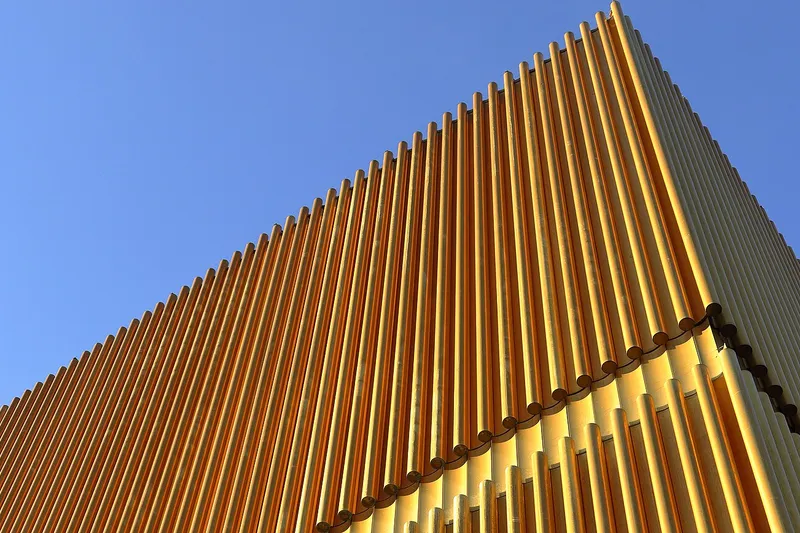 The KunstarealThe museum quarter the square anchors, and how to plan a day across it.
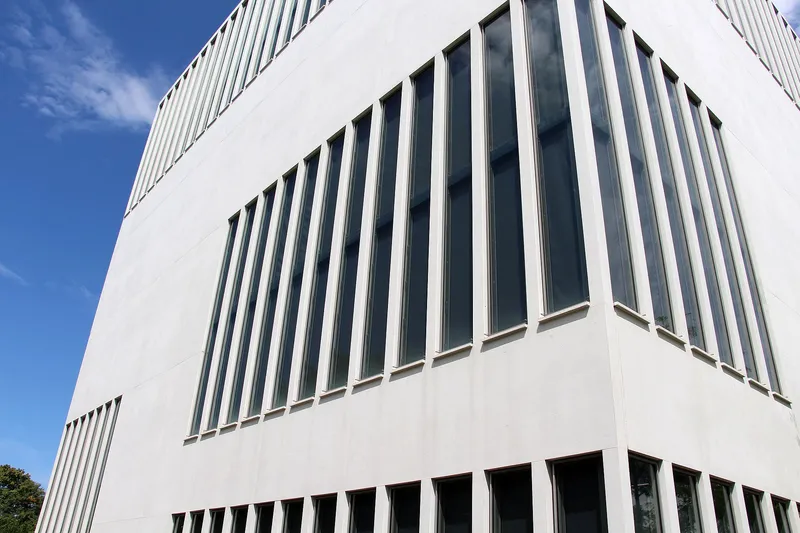 NS-DokumentationszentrumThe documentation centre on the square's edge, on the former Nazi party HQ site.
Map pins
Map data © OpenStreetMap contributors · Tiles © OpenFreeMap
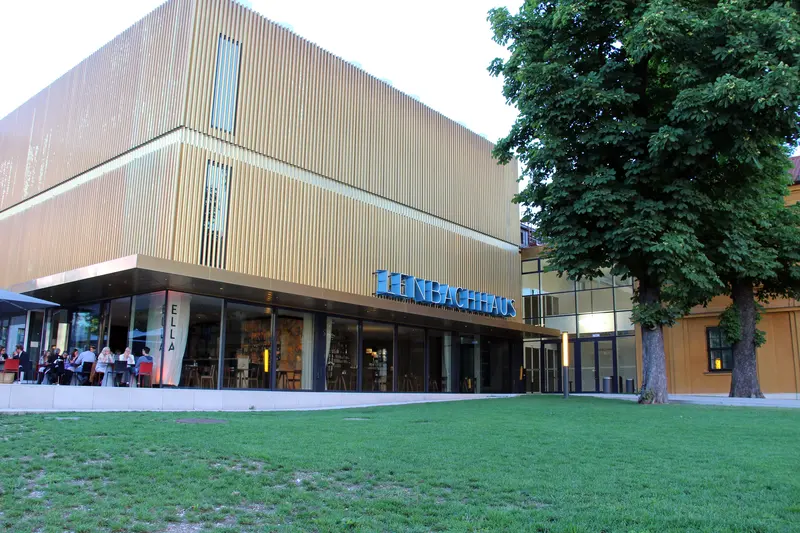
Lenbachhaus, Munich
A guide to the Lenbachhaus — home of the world's greatest Blue Rider collection — its sunflower-yellow villa, the Kandinsky and Münter rooms, tickets and an easy Kunstareal pairing.
Read guideNS-Dokumentationszentrum, Munich
A respectful guide to Munich's NS-Dokumentationszentrum — the Documentation Centre for the History of National Socialism — on the site of the former Nazi party headquarters: what it covers, how to visit, and the nearby sites.
Read guideKunstareal, Munich's Museum Quarter
How to plan a day in the Kunstareal — Munich's museum quarter in Maxvorstadt, from the three Pinakotheken and Brandhorst to the Lenbachhaus, Königsplatz and the cafés in between.
Read guide