
Best Photography Spots in Munich
Rooftops, squares, churches, parks and palaces — the most photogenic places in Munich, with the light and timing notes to shoot each one well.

Photo: Daniel Seßler / Unsplash

- ✓Nymphenburg reflected in its canal and the Old Town rooftops from Alter Peter are the two signature Munich shots — both best in soft, low light.
- ✓The Eisbach surfers give the city's most dynamic frame: a wave, a rider and a crowd, in the middle of a landlocked city.
- ✓Golden hour and blue hour transform the floodlit New Town Hall and the squares; the Föhn-clear days put the Alps in your wide shots.
- ✓Most churches and museums restrict or ban photography (and tripods almost everywhere) — shoot the exteriors and the cityscapes, and check the rules before raising a camera indoors.
How to photograph Munich well
Munich photographs beautifully if you work with its light and its rhythms. The city's palette — red Old Town roofs, copper-green domes, baroque yellows and the deep green of its parks — comes alive at golden hour and again at blue hour, when the floodlights warm and the sky goes cobalt. The flat plain it sits on means the best cityscapes come from a height, and the clearest, most dramatic ones come on a Föhn day, when the warm Alpine wind sharpens the air and lifts the mountains onto the horizon some ninety-five kilometres south.
A few practical rules save frustration. Photography is restricted or forbidden inside many churches and museums, and tripods are banned almost everywhere indoors and at busy sights — so plan to shoot exteriors, squares and cityscapes, and check the posted rules before raising a camera in any interior. Mornings give you the emptiest squares; weekday early starts are golden for crowd-free frames at Marienplatz and the palaces. And keep your gear sensible: Munich is safe, but the usual care in crowds and around the Hauptbahnhof applies.
Below is a location-by-location guide, grouped by type, with the angle, light and timing that make each spot work. Opening hours and access change, especially for the tower climbs, so confirm current details before you build a sunrise shoot around them.


Rooftops and skylines
The defining Munich cityscape is shot from above the Old Town. A handful of vantage points give it, each with its own character.
- St. Peter's tower (Alter Peter) — the classic frame: down onto Marienplatz, across the red roofs to the Frauenkirche domes. A tight, lift-free climb; go early for empty galleries or late for golden light. The single best rooftop shot in the city.
- The New Town Hall tower — a similar central skyline by lift, the easier alternative for the same view (minus the Rathaus itself in frame).
- The Olympic Tower — the wide 360-degree panorama and the best odds of the Alps on a clear Föhn day; its later hours suit an evening or floodlit-city shot, but it has been closed for a renovation, so confirm it has reopened before heading out.
- The Monopteros hill in the English Garden — a free, no-climb angle over the spires above the treeline, unbeatable at golden hour.

Squares, streets and architecture
At street level, Munich's set-piece squares and grand axes reward a wide lens and an early start before the crowds fill them.
- Marienplatz — the neo-Gothic New Town Hall facade and the Glockenspiel; shoot it floodlit at blue hour for an almost empty, dramatic frame, or catch the figures turning by day.
- Odeonsplatz — the yellow Theatinerkirche, the Feldherrnhalle loggia and the long view up Ludwigstraße; beautiful in raking morning light.
- Karlstor and the Asamkirche facade — the gate and the tiny, ornate church front on Sendlinger Straße make tighter, characterful architectural studies.
- Maximilianstraße — the grand luxury boulevard, its arcades and the lit shopfronts at dusk, framed toward the Maximilianeum across the river.

The Eisbach surfers — the city's most dynamic frame
For movement and storytelling in a single shot, nothing beats the Eisbach wave at the southern edge of the English Garden, where surfers ride a permanent standing wave in the heart of the city. The bridge above and the banks alongside give you clean angles down onto the action; a fast shutter freezes the spray and the rider, while a slower one blurs the rushing water for a different mood.
It's busy at almost any hour, which is part of the picture — the watching crowd is half the story. The light is dappled under the trees, so an overcast day can actually be kinder than harsh midday sun. Always check the wave's current status before counting on it, as access can change.


Palaces, parks and gardens
Munich's grand green set-pieces are where the most romantic, postcard-perfect photographs come from — and where symmetry and reflections do the work for you.
- Nymphenburg Palace — the baroque frontage mirrored in its long central canal is the city's most photogenic single shot; shoot at golden hour for warm light and the cleanest reflections, and explore the garden pavilions (the Amalienburg, the Pagodenburg) for quieter frames.
- The Hofgarten — the symmetrical arcades, the central pavilion and the geometric paths near the Residenz; a controlled, elegant composition that works in flat light.
- The English Garden — the Chinese Tower beer garden, the lawns rolling to the Monopteros, the little Japanese teahouse and the Kleinhesseloher See for water reflections.
- The Isar river — renaturalised beaches, the weirs at the Flaucher, tree-lined paths and golden-hour reflections; the loveliest free landscape shooting in the city.

Seasonal shots worth planning around
Some of Munich's best frames are tied to the calendar, so it's worth knowing what each season offers. Autumn turns the English Garden and the Hofgarten gold and is arguably the most beautiful time to shoot the parks. Winter brings the Christkindlmärkte — the Marienplatz market under its great lit tree, the stalls and Glühbier steam at blue hour make rich, warm-toned night photographs — and, with luck, snow on the rooftops and the palace gardens.
Late September into early October is Oktoberfest on the Theresienwiese: the lit Ferris wheel, the tent facades and the colour and crowds make a vivid (if hectic) photo essay, best shot at dusk when the rides light up. Spring fills the beer gardens and the lawns. And any clear, dry Föhn day — in any season — is the one to drop everything and shoot wide, because that's when the Alps appear behind the city and Munich's whole setting reveals itself.

Gear, etiquette and shooting respectfully
You don't need a heavy kit to photograph Munich well, and travelling light usually pays off. A single versatile zoom covers most of the city — wide for the squares and palace frontages, a little reach for the rooftop details and the Eisbach surfers — and a phone is genuinely capable for the blue-hour cityscapes if you brace it on a railing or wall in place of the tripods that are banned at most busy sights. A polariser helps cut glare off the Nymphenburg canal and deepen the sky on a clear Föhn day; a small, fast lens is handy for the dim, photography-permitting church corners and the cosy interiors. The one thing worth carrying in any season is rain cover, because Munich's weather turns quickly and a passing shower over wet cobbles can actually make the better photograph.
Etiquette matters as much as kit. Beer gardens, markets and the Eisbach crowd are full of people who haven't agreed to appear in your frame, so shoot scenes rather than singling out strangers in close-up, and ask before making a portrait of a vendor, a surfer or anyone clearly the subject. Working churches deserve particular care: keep quiet, never photograph a service, and respect every posted restriction even where a quick shot would be easy. None of this is heavy-handed; it's simply the difference between photographs that feel like trophies and ones that feel like the city let you in. Shoot considerately and Munich, a relaxed and good-natured place, tends to give you its best.
Practical photography notes
A few logistics make a Munich shoot smoother. Light first: golden hour and blue hour are your friends for the floodlit squares and the palace reflections, while overcast days flatter the parks, the church interiors you are allowed to shoot, and the dappled Eisbach. For the cleanest crowd-free squares and palace frontages, start early on a weekday — Marienplatz and Nymphenburg are transformed before the day-trippers arrive.
Indoors, assume restrictions: most churches and museums limit or forbid photography, flash is widely banned, and tripods are almost never permitted at busy sights — so concentrate your serious work on exteriors and cityscapes, and always check the posted or stated rules first. Getting between locations is easy on the MVV: a day ticket covers the U-Bahn, S-Bahn, trams and buses you'll use to reach Nymphenburg, the Olympic Tower and the Isar. Confirm current opening hours and any closures for the towers and palaces before you build a sunrise or sunset shoot around them.


At a glance
Signature shots — Nymphenburg reflected in its canal (golden hour) and the Old Town rooftops from Alter Peter.
Most dynamic — the Eisbach surfers; fast shutter to freeze, slow to blur the water.
Best light — golden and blue hour for the floodlit squares; overcast for the parks; any clear Föhn day for the Alps.
Crowd-free — start early on a weekday for empty squares and palace frontages.
Good to know — interiors are widely restricted and tripods almost always banned; check rules before shooting indoors, and verify tower and palace hours before you go.

New Town Hall, Munich
How to see Munich's neo-Gothic Neues Rathaus — the tower lift and its view, the two quiet courtyards, the Glockenspiel timing, and the best Marienplatz photo angles.
Read guide
The Monopteros, Munich
How to find the Monopteros — the little Greek temple on a hill in the English Garden — and build it into a sunset walk with the city's classic skyline view.
Read guide
Nymphenburg Palace, Munich
Plan a visit to Munich's grand summer palace — the Stone Hall and royal rooms, the Marstallmuseum coaches, the porcelain, and the tram-and-walk approach down the canal.
Read guideMore in Things to Do
6
Allianz Arena, Munich
How to visit Munich's glowing football stadium — the self-guided Erlebnistour, the FC Bayern Museum, match-day logistics, and the easy U6 ride out to Fröttmaning.
Read guide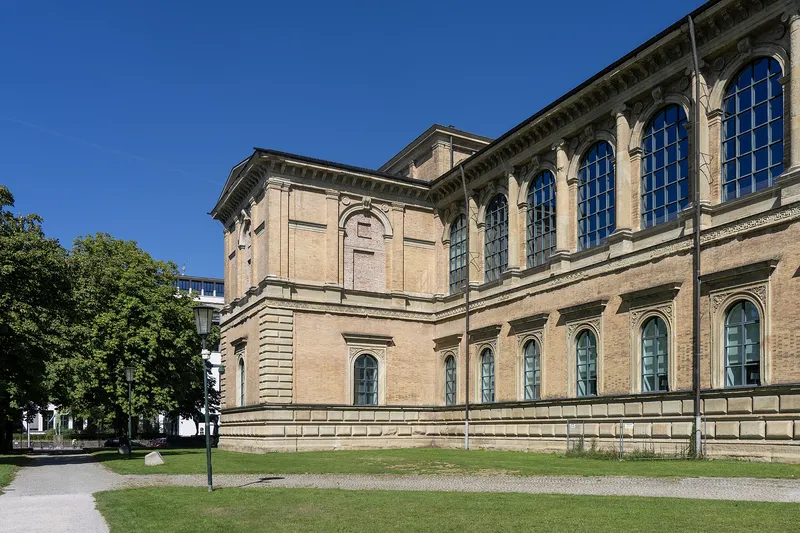
Alte Pinakothek, Munich
How to visit Munich's Old Masters gallery in the Kunstareal — the Dürers and Rubenses worth crossing town for, the Sunday-ticket angle, and how to build a wider museum-quarter day around it.
Read guide
Asamkirche, Munich
How to visit Munich's astonishing late-Baroque Asamkirche on Sendlinger Straße — the church two brothers built next to their own house — without overplanning it.
Read guide
Best Munich Tours
When a guided tour earns its place in a Munich trip — and which kind to pick. Old Town walks, food and beer crawls, football and BMW, the Third Reich history walk, and the big castle and Dachau day trips, weighed by time, cost and effort.
Read guide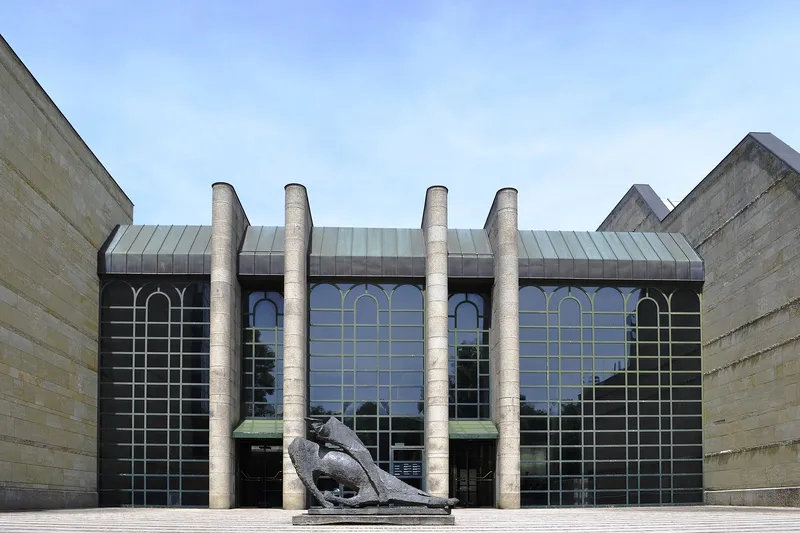
Best Museums in Munich
Choose the right Munich museum for you — by interest, by how much time you have, by which day of the week, and by how useful it is on a rainy day.
Read guide
Best Things to Do in Munich
A ranked first-trip shortlist — from Marienplatz and the Residenz to the beer gardens, the great museums and the English Garden.
Read guide