
Three Days in Munich
A deeper, unhurried three-day Munich itinerary — the Old Town and a viewpoint on day one, a royal palace and the museum quarter on day two, and an Alpine or castle day trip on day three, with food stops and beer gardens built in.

Photo: Lanju Fotografie / Unsplash

- ✓Three days is the sweet spot for Munich: enough for the Old Town, a royal palace, the museum quarter and one big day trip, without ever feeling rushed.
- ✓The plan is built around a walkable Altstadt core, with trams and the S-Bahn doing the longer legs — almost everything in the city centre is reachable on foot.
- ✓Day three is the Bavarian payoff: a run south to Neuschwanstein, the Zugspitze, the lakes or the Dachau memorial, all reachable by train.
- ✓Beer gardens, the Viktualienmarkt and a rooftop viewpoint are folded into the route so meals and views never feel like detours.
- ✓Everything here is evergreen; confirm current opening hours, prices, timed-entry slots and any reservations against official sources before you go.
How to use this three-day plan
Three days is the length most first-timers should aim for in Munich. One day covers the Old Town highlights, two adds the parks and a palace, but three is the version that lets you breathe — a full day in the historic centre, a day for a royal palace and the museum quarter, and a third day out of the city entirely, into the Alps or the lakes that make this corner of Bavaria so loved. The plan below assumes you arrive the evening before day one or early on day one, and leave on the evening of day three or the morning after.
Munich is compact, flat and exceptionally well connected, so the structure here is deliberately loose. Each day picks a handful of set-pieces and leaves real gaps for the things that make a trip — a second coffee, a slow market lunch, an unplanned church, an hour in a beer garden. Treat it as a skeleton: swap the order to follow the weather, drop anything that does not appeal, and protect one rule that makes a Munich day work — aim a viewpoint or a beer garden at the late afternoon, when the light is best and the city is at its most relaxed.
A word on logistics up front. The city's public transport — U-Bahn, S-Bahn, trams and buses, all on one MVV ticket — is fast and frequent, and a day ticket usually beats buying singles if you will hop on more than twice. The whole Altstadt is walkable end to end in under twenty minutes. Sundays close most shops but leave parks, churches, museums, cafés and beer gardens open, which suits a slow sightseeing day rather well. And anything ticketed or seasonal below should be double-checked for current hours and prices before you set off.
Day one — the Old Town, the market and a rooftop view
Give the first day to the Altstadt, the walled old city inside Munich's ring, where almost everything is on foot. Start slowly with coffee and a pastry near the centre, then walk into the historic core while it is still quiet. Marienplatz is the obvious beginning — the soaring neo-Gothic New Town Hall, the golden Mariensäule column, and the Glockenspiel high in the tower, whose 32 figures re-enact a ducal wedding and the coopers' dance. It plays at 11:00 year-round, with extra performances at noon and, in the warmer months, at 17:00; arrive a few minutes early for a clear sightline.
From the square, let the Old Town pull you off-route. Climb the tower of St. Peter's — Alter Peter, just opposite Marienplatz — for the best rooftop view in the centre, looking straight down onto the square and out to the Alps on a clear day. It is a narrow staircase rather than a lift, which keeps it atmospheric. Come down and wander the Viktualienmarkt, the open-air food market a minute away, for an early lunch of sausage, cheese, fruit or a Brezn, with its own little beer garden under the maypole. Then duck into the Asamkirche on Sendlinger Straße, a tiny, gilded late-Baroque jewel-box that stops most people in the doorway, and look in on the twin-domed Frauenkirche, the brick cathedral that is the symbol of the city's skyline.
Spend the afternoon finishing the Old Town loop at your own pace — the Residenz edge and the Hofgarten, the arcaded passages, the shops along Sendlinger Straße and Kaufingerstraße — and aim to be somewhere relaxed for the late afternoon. In the warm months that means a beer garden; in winter, a beer hall. The Hofbräuhaus is the famous one and worth seeing once for the spectacle, though locals scatter to dozens of quieter halls and gardens. End the first evening with a proper Bavarian dinner — roast pork, dumplings, a Weißbier — somewhere near wherever you are staying, and keep the night low-key.
 Munich Old Town walkThe full self-guided route through Marienplatz, the churches, the market and the gates.
 MarienplatzThe central square, the New Town Hall and the Glockenspiel times to plan day one around.
 ViktualienmarktThe open-air food market for a graze, a market-stall lunch and the little beer garden.
Day two — a royal palace and the museum quarter
Day two pairs Munich's grandest royal set-piece with its richest cluster of art. Give the morning to Schloss Nymphenburg, the vast baroque summer palace of the Bavarian kings, a short tram ride west of the centre. The palace interiors are worth a ticket for the Stone Hall and the Gallery of Beauties, but the romantic heart of the visit is free: the long formal canal at the front that mirrors the façade, and the huge park behind, with wooded paths, hidden pavilions, a cascade and lakes. Wander the grounds, lose the crowds beyond the central gardens, and have a coffee or a light lunch before heading back into town. If palaces are not your thing, swap in the Residenz, the kings' city palace on the edge of the Old Town, with its Antiquarium hall and Treasury.
Spend the early afternoon in the Kunstareal, Munich's museum quarter in Maxvorstadt, where the Alte Pinakothek, the Pinakothek der Moderne, the Brandhorst and the Lenbachhaus sit within a few minutes of each other. Pick one or two rather than trying to do them all — an hour or two with the Old Masters, or with modern art and design, beats museum fatigue every time. The neighbourhood's cafés are among the best in the city for a pause between rooms. If you are travelling with anyone who would rather see science and machines than paintings, the Deutsches Museum on its island in the Isar is the alternative, and easily a half-day on its own.
Make the late afternoon a walk in the English Garden, the enormous central park that is bigger than London's Hyde Park and Kensington Gardens combined. Watch the river surfers ride the standing Eisbach wave at the southern edge, climb to the little hilltop Monopteros temple for the golden-hour view over the city, and, in the warm months, finish with a Maß under the chestnuts at the Chinese Tower beer garden. For dinner, this is the night to go a little further afield — the design bars and small restaurants of the Glockenbachviertel, or a polished room in the Old Town if you want to dress up. Book ahead at weekends.
 Nymphenburg PalaceThe palace, the canal and the free park, with tram, ticket and timing detail.
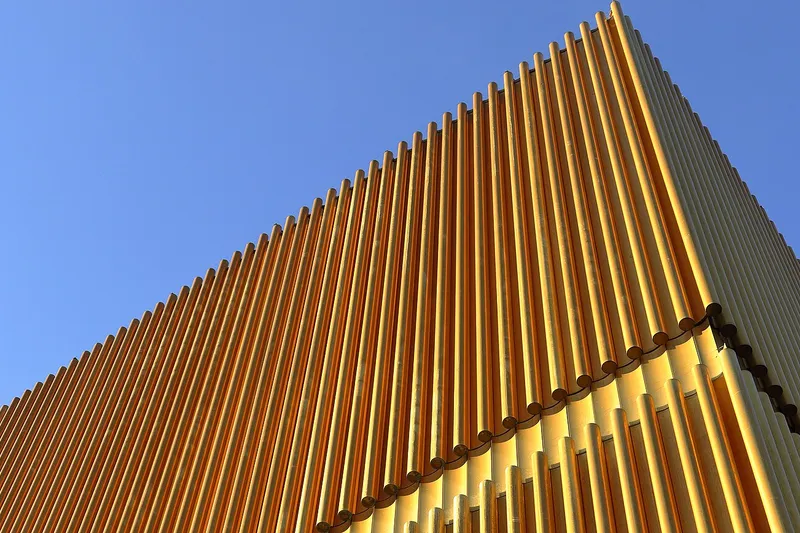 The KunstarealMunich's museum quarter and how to pick one or two galleries without museum fatigue.
 The English GardenThe afternoon's park — the Eisbach wave, the Monopteros and the Chinese Tower beer garden.
Day three — a day trip into Bavaria
On the third day, let Bavaria turn the scenery up to its full Alpine setting and take a day trip out of the city. This is the payoff of giving Munich three days rather than two, and the choice comes down to how far you want to travel and what the forecast is doing. The icon is Neuschwanstein, Ludwig II's fairy-tale castle in the foothills near Füssen — a full day with a timed castle entry that you should book well ahead, set in genuinely spectacular scenery. For raw mountain drama, the Zugspitze cog railway from Garmisch-Partenkirchen climbs to Germany's highest point and the turquoise Eibsee, a showstopping day when the weather is clear.
If you would rather stay gentle, the lakes are the easiest and most restful escape: Starnberg and Ammersee are barely day trips at all, with steamer cruises, shoreline walks, lakeside cafés and, on a clear day, the Alps rising across the water. Salzburg, just over the border in Austria, is around an hour and a half east by train for a complete change of city and country — Mozart, baroque squares and a hilltop fortress. And for travellers who want to make time for memory rather than leisure, the Dachau Concentration Camp Memorial Site is about twenty minutes out on the S2; it is a sobering, essential half-day for anyone who can, and best approached unhurried and with the morning free.
Whichever direction you choose, plan around the trains: most of these run on regional services where a day or group ticket can be excellent value, and an early departure buys you a calmer day with a comfortable timing buffer for the return. Come back into the city in the evening for a final, unhurried dinner — and if the weather has been kind, a last walk across the floodlit Old Town squares or along the Isar before you go. Three days is enough to leave Munich feeling you have seen the city, eaten well and touched the mountains, which is exactly the point.

Where to stay for three days
Where you base yourself shapes a short trip more than any single sight, and for three days the rule is simple: stay central enough to walk to the Old Town and close enough to a transit line for the palace, the parks and the day trip. The Altstadt itself is the most walkable and the most expensive; the streets just outside the ring — around the Hauptbahnhof, in leafy Lehel by the English Garden, or in Maxvorstadt by the museums — trade a few minutes' walk for better value and a more local feel.
For a first three-day trip, the area around Munich's main station is the practical pick: it is the cheapest and best-connected base, with the airport S-Bahn, every U- and S-Bahn line and the regional trains for your day trip all at the door, though it is not the prettiest corner. If you would rather wake up somewhere handsome and quiet, Lehel and Maxvorstadt are the moves — central but calm, and walkable to the sights. We keep detailed area-by-area and hotel guides so you can match the base to the trip you are taking.
Seasonal notes and a few practicalities
Munich changes with the season, and so does this plan. In summer the long evenings, the beer gardens and the Isar beaches are at their best, and days one and two run almost entirely outdoors; book the day-trip trains and any castle entries early, as this is peak season. Autumn turns the English Garden and the Nymphenburg park gold and is arguably the prettiest, quietest time to visit. Winter swaps beer gardens for beer halls and brings the Christmas markets — Glühwein under the lights on Marienplatz is its own reward — and leans the plan toward museums, palaces and cafés. Spring is the in-between bargain, with gardens waking up and thinner crowds.
Two seasonal warnings worth flagging. Oktoberfest, roughly mid-September to early October on the Theresienwiese, transforms the city: it is a wonderful time to visit if that is what you have come for, but hotel prices spike, rooms vanish and the centre is busy, so book far ahead. And the major trade fairs scattered through the year do the same to hotel rates with less warning. The rest of the calendar you can keep loose.
A handful of practical notes that smooth any three-day trip. Sundays close the shops but not the parks, churches, museums, cafés or beer gardens, so slot a Sunday in as a slow sightseeing day rather than a shopping one. The MVV day ticket beats singles once you are hopping on transport more than twice. Restaurants and anything fine want booking ahead at weekends. Carry some cash, as a few traditional spots still prefer it. And for everything ticketed or seasonal in this plan — Glockenspiel times, palace and museum hours, day-trip trains and castle entries — confirm the current details against official sources before you go.

Adapting the three days to your trip
The plan above is the default, but the order is meant to flex. The single most important variable is the weather, and the day to move is the day trip — give it the clearest forecast you have, because Neuschwanstein in cloud and the Zugspitze in rain are both a waste of a long journey. If day three's forecast is poor, simply swap it with day one or two, run the indoor-friendly Old Town and museum days on the grey days, and save the mountains or lakes for the blue one. Munich's compactness makes this kind of reshuffling almost free.
If you are not palace people, day two bends easily. Drop Nymphenburg and give the whole day to the museum quarter at a gentler pace, or trade it for the Deutsches Museum on its island in the Isar — a half-day of science and machines that suits families and the mechanically minded. If you would rather see the royal Munich without the tram ride west, the Residenz, the kings' city palace on the edge of the Old Town, delivers the Antiquarium hall, the Treasury and a warren of state rooms a short walk from Marienplatz. Either way, the rule of one or two cultural stops a day, not five, still holds.
There is also a slower, more local version of the three days for repeat visitors or anyone who has done the headline sights before. Keep day one's Old Town morning, then spend the rest of the trip in the neighbourhoods most tourists miss — Haidhausen's village squares across the river, the design shops and markets of the Glockenbachviertel and Isarvorstadt, the bohemian café streets of Schwabing along the English Garden's edge, and long stretches of the Isar. This version trades sights for atmosphere, and many people who return to Munich find it the better trip.
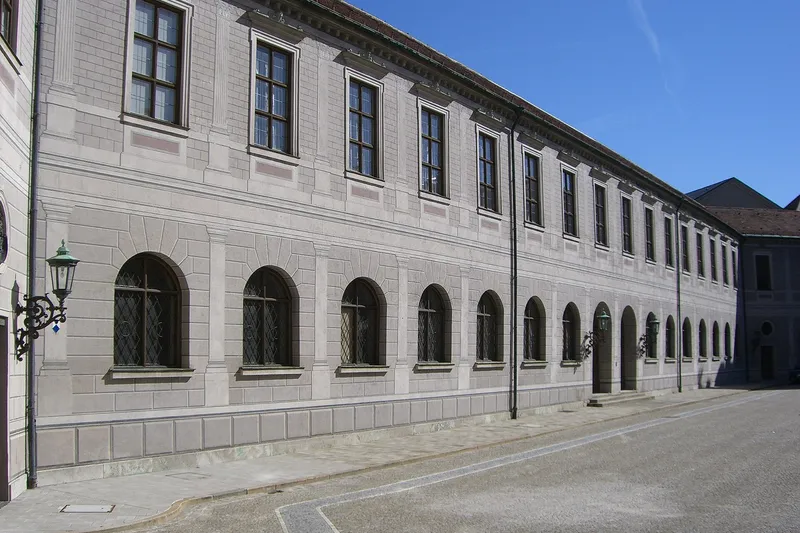 The ResidenzThe kings' city palace by the Old Town — an alternative to the tram ride out to Nymphenburg.
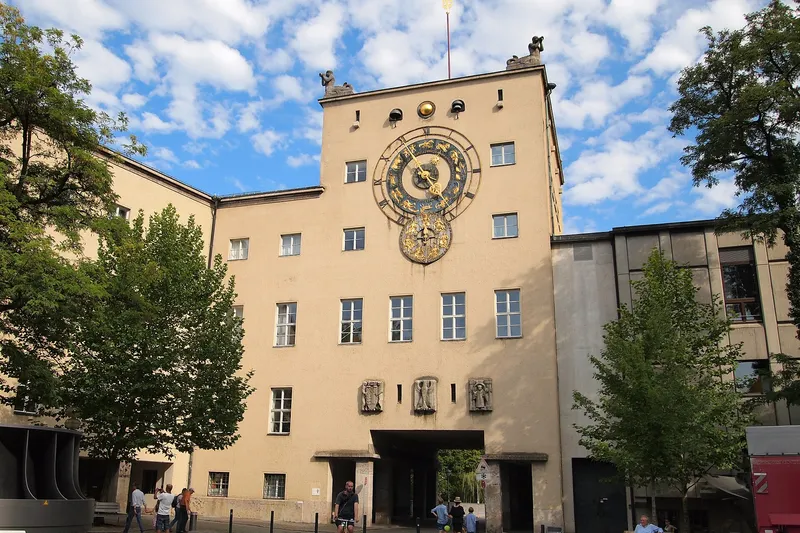 Deutsches MuseumThe hands-on science museum to swap in on day two for families and the mechanically minded.
 Munich neighbourhoodsThe local quarters for a slower, repeat-visitor version of the three days.
Frequently asked questions about three days in Munich
Is three days enough for Munich? Three days is the sweet spot for a first visit. It gives you a full, unhurried day in the Old Town, a second day for a royal palace and the museum quarter, and a third for a big day trip into Bavaria — the city and the mountains, without rushing. Two days covers the city but leaves no room for an excursion; four or more let you add the local neighbourhoods or a second day trip. For most first-timers, three is exactly right.
What day trip should I take on the third day? It depends on your taste and the forecast. Neuschwanstein, the fairytale castle, is the classic; the Zugspitze, Germany's highest peak, is the big-mountain day; the lakes (Starnberg, Ammersee, Chiemsee) are the gentlest; Salzburg is a fast cross-border city; and the Dachau Concentration Camp Memorial Site is the most moving and historically important. Give the day trip the clearest weather you have, and book the trains and any timed castle entry early.
How should I handle bad weather? Munich's compactness makes reshuffling almost free. If the day-trip forecast is poor, swap it with day one or two — run the indoor-friendly Old Town and museum days on the grey days, and save the mountains or lakes for the blue one. The city itself is well set up for rain, with great museums, churches, beer halls and the covered Viktualienmarkt, so a wet city day rarely disappoints.
Do I need to book anything in advance? Book the day-trip train tickets and any timed castle entry (especially Neuschwanstein) ahead, particularly in summer and around Oktoberfest; reserve notable dinners; and consider pre-booking popular museums. The Old Town walking, the parks and the beer gardens need no booking. Glockenspiel plays at 11:00 year-round, with extra performances at noon and 17:00 in the warmer months — verify times and all hours and prices before you go.
Is three days enough to also see a palace and the museums? Yes — day two is built precisely for that, pairing Nymphenburg palace and its free park with one or two galleries of the Kunstareal. If you are short on palace enthusiasm, swap Nymphenburg for the more central Residenz or the hands-on Deutsches Museum. The rule that keeps three days unhurried is one or two cultural stops a day, not five.
- Three days is ideal for a first visit — the city plus one big day trip, without rushing.
- Pick the day trip to taste and weather; book trains and timed castle entry early.
- Munich reshuffles easily for rain — run the city days grey, save the day trip for the clear one.
- Book the day-trip trains, notable dinners and Neuschwanstein entry ahead; verify all hours and prices.
At a glance
What it covers: an unhurried three-day Munich plan — the Old Town, a royal palace and the museums, and one big day trip into Bavaria.
Day one: a slow Altstadt morning, the Glockenspiel, St. Peter's tower, the Viktualienmarkt and a beer garden or beer hall.
Day two: Nymphenburg palace and park, one or two Kunstareal galleries, the English Garden at golden hour, dinner out.
Day three: a day trip — Neuschwanstein, the Zugspitze, the lakes, Salzburg or the Dachau memorial — then a final city dinner.
Stay: central and walkable to the Old Town — the station area for value, Lehel or Maxvorstadt for calm and charm.
Best for: first-timers who want the city and the mountains without rushing, and who'll protect the late-afternoon view.
- Walk the Altstadt; use trams and the S-Bahn for the palace, the parks and the day trip.
- Glockenspiel plays at 11:00 year-round, plus noon and 17:00 in the warmer months — verify before you go.
- Book the day-trip trains and any timed castle entry early, especially in summer and around Oktoberfest.
- Most of each day is free or low-cost; confirm current hours and prices for anything ticketed or seasonal.

Munich Itineraries
Ready-made Munich plans for every shape of trip — one day to four, weekends, families, couples, budget and luxury, plus themed days for museums, beer gardens, Oktoberfest and the Christmas markets. Pick the plan that fits your time and let it carry you.
Read guide
Two Days in Munich
A balanced 48-hour plan for Munich — day one in the Old Town with the Glockenspiel, the market and the Residenz; day two for the English Garden, a museum and Schloss Nymphenburg — with realistic timings, beer gardens and weather fallbacks.
Read guide
Four Days in Munich
A slower four-day Munich itinerary that adds the things three days has to skip — a proper neighbourhood day, more museums and beer gardens, and one big day trip into the Alps or to the lakes — built for travellers who want to live the city rather than tick it off.
Read guideMore in Itineraries
6
A Weekend in Munich
A Friday-to-Sunday weekend in Munich planned the way a city break actually runs — arrival-evening logic, a full Saturday of sights and gardens, a slower Sunday that works around the shops being shut, with hotel-area, dinner-timing and no-wasted-transit advice throughout.
Read guide
Local Munich Beyond the Old Town
Where Munich actually lives once you've seen Marienplatz — the village-feel neighbourhoods, the riverside, the local cafés and markets, the parks and the beer gardens that locals fill, with a route to weave them into a slower second or third day.
Read guide
Luxury Munich Itinerary
A high-end, unhurried plan for Munich — grand-dame and design hotels, private guides, fine dining, palaces and treasuries, the opera, and an Alpine or lakeside add-on, built around comfort and time rather than a packed schedule.
Read guide
Munich Airport Layover Guide
How to spend a layover at Munich Airport — when a dash into the city is realistic, how long you really need, what to do without leaving, and when it's smarter to stay near the terminals.
Read guide
Munich Art & Museums Itinerary
A rain-proof culture itinerary for Munich — a focused day in the Kunstareal among the Pinakotheken and the Blue Rider, a science day at the Deutsches Museum, and a cars-and-modern-architecture option around BMW and Olympic Park, with how to pair them without museum fatigue.
Read guide
Munich Beer Garden Itinerary
A relaxed warm-weather route through Munich's classic beer gardens — from the English Garden's Chinese Tower to the Augustiner-Keller's century-old chestnuts and a riverside finish — with the bring-your-own etiquette, what to order, and the transit that links them.
Read guide