
Munich on a Budget
A low-cost three-day Munich plan built on the city's many free sights, the value of a day ticket, cheap-but-real Bavarian food and the Sunday-museum and beer-garden tactics that let you see the best of Munich without the prices — with the splurges flagged so you choose where to spend.

Photo: Sarah Donovan / Unsplash

- ✓Munich's best things are cheap or free — the Old Town, the churches, the English Garden, the Eisbach surfers, the Isar and the markets all cost nothing to enjoy.
- ✓A three-day plan that leans on free sights, low-cost food, the MVV day ticket and the reduced-price museum days, with the few worthwhile splurges flagged so you choose where to spend.
- ✓Beer gardens are the budget traveller's friend: bring your own food to traditional ones and buy only the Maß, the cheapest great meal in the city.
- ✓Sunday's reduced-price museum tradition and the free park-and-river days mean a slow weekend can cost almost nothing.
- ✓Everything here is evergreen; confirm current prices, opening hours, reduced-price days and any reservations against official sources before you go.
How to do Munich on a budget
Munich has a reputation as an expensive city, and the hotels and restaurants can certainly justify it — but the experiences most people come for are remarkably cheap or completely free. The walkable Old Town, the soaring churches, the enormous English Garden, the river surfers on the Eisbach wave, the Isar's gravel beaches, the open-air markets and the views from the park hills all cost nothing. Spend goes on three things — a bed, transport and food — and each can be managed hard without hurting the trip. This plan shows how three full days in Munich can stay genuinely affordable while still hitting the city's best.
The strategy is simple: free sights by day, low-cost food on a system, a day ticket rather than singles, and the few paid things that are genuinely worth it chosen deliberately rather than by default. Each day below flags where the money goes so you can decide. Treat it as a skeleton — swap the order to follow the weather, drop anything that does not appeal, and protect the budget traveller's two rules: eat at the markets, the bakeries and the beer gardens rather than sit-down restaurants, and never buy a single transit ticket when a day ticket will do.
On transport specifically: the MVV runs the U-Bahn, S-Bahn, trams and buses on one ticket, and a day ticket almost always beats singles once you ride more than twice — the group or partner day tickets are even better value if there are several of you. The airport is reachable by S-Bahn rather than a pricey taxi. Sundays close the shops but leave parks, churches, museums, cafés and beer gardens open, and many museums run a long tradition of reduced entry on Sundays. Confirm all current prices and any reduced-price days against official sources before you go — exact fares change.
Day one — the free Old Town and the markets
The first day costs almost nothing, because the Old Town's best is free. Walk into the Altstadt and cross Marienplatz for the New Town Hall and the Glockenspiel — free to watch, playing at 11:00 year-round with extra performances at noon and, in the warmer months, at 17:00. Step into the churches, which are free to enter: the gilded little Asamkirche on Sendlinger Straße, a late-Baroque jewel-box; the twin-domed Frauenkirche, the brick cathedral that is the symbol of the skyline; and St. Peter's, where only the tower climb carries a small fee — and it is the one viewpoint genuinely worth paying for, the best rooftop panorama in the centre.
Eat the budget way at the Viktualienmarkt, the open-air food market a minute from Marienplatz: a sausage, a wedge of cheese, fruit, or a fresh Brezn from a bakery, assembled into a cheap and excellent lunch with a seat in the market's own little beer garden. This is the model for the whole trip — markets, bakeries and stalls over sit-down restaurants. Spend the rest of the day wandering the free Old Town: the squares, the arcaded passages, the gates, the window-shopping streets, and the Hofgarten, the free arcaded Renaissance garden beside the Residenz. The only money you need to spend on day one is on food and, if you want it, the St. Peter's climb.
 Munich Old Town walkThe free self-guided route through Marienplatz, the churches, the market and the gates.
 ViktualienmarktThe open-air market for a cheap, excellent assembled lunch and its little beer garden.
 St. Peter's towerThe one small-fee viewpoint genuinely worth paying for — the best rooftop view in the centre.
Day two — the parks, the surfers and a beer garden
Day two is almost entirely free and one of the best days in the city. Spend the morning in the English Garden, the enormous central park that costs nothing to enjoy: watch the river surfers ride the standing Eisbach wave at the southern edge — a genuine spectacle and free — then walk the open meadows, climb to the hilltop Monopteros temple for a free panorama over the city, and follow the paths north to the Kleinhesseloher See. The whole morning needs no ticket of any kind.
Lunch is where the budget traveller wins big. At a traditional beer garden you may bring your own food to the unserved benches and buy only your drink — locals arrive with a cloth, a radi, a Brezn and some cheese, and pay only for the Maß. The Chinese Tower beer garden in the middle of the English Garden, and the Augustiner-Keller's chestnut-shaded garden near the main station, are two of the great cheap pleasures of the city. A self-catered picnic on a beer-garden bench, or on the Isar's gravel beaches in the warm months, is a better and cheaper meal than most restaurants in town.
Spend the afternoon on more free Munich. Walk a stretch of the Isar, the fast green river, with its beaches, paths and bridges; or stroll out to Schloss Nymphenburg, where the palace interiors are ticketed but the vast park, the long canal and the wooded paths are all free to wander — a grand half-day for the cost of a tram fare. If the weather turns, this is the day to use a museum, ideally one with a reduced-price day. End with another self-catered or beer-garden dinner, and you will have spent a near-perfect Munich day for the price of a Maß and a tram ticket.
 The English GardenThe free morning park — the Eisbach surfers, the Monopteros panorama and the lake.
 Beer garden etiquetteHow the bring-your-own-food rule works — the budget traveller's best meal in Munich.
 The Isar riverA free afternoon walk along the city's green river, with its gravel beaches and bridges.
Day three — a value museum day and the one splurge
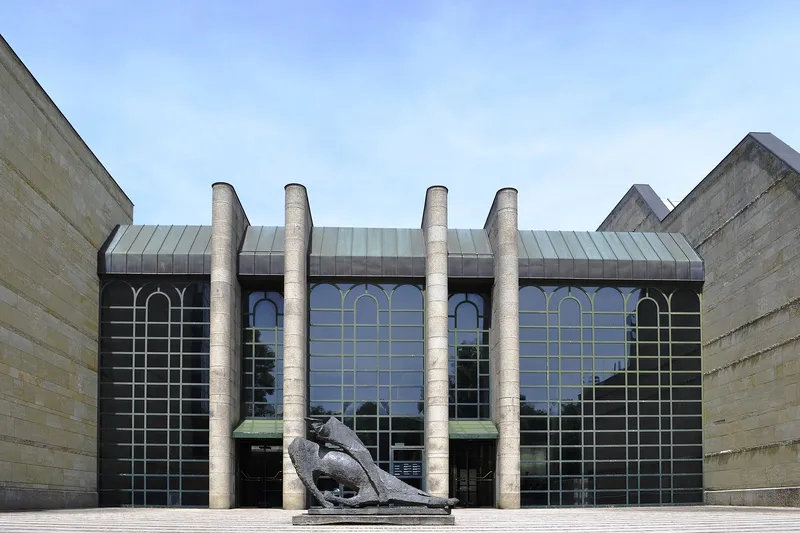
Use the third day for the things that cost money, chosen carefully so the spend buys the most. Munich has a long tradition of reduced-price entry at many state museums on Sundays — the Pinakotheken and others have offered a token Sunday admission for years — so if your trip includes a Sunday, save the galleries for it. Pick one or two from the Kunstareal cluster in Maxvorstadt: the Alte Pinakothek for Old Masters, the Pinakothek der Moderne for modern art and design. The Lenbachhaus and others round out the quarter. Always check current prices and which day, if any, carries the reduced fare, as these change.
Some of the city's best paid attractions are cheaper than you expect, and a few are free. BMW Welt, the carmaker's vast showroom near the Olympic Park, is free to walk through (the adjacent BMW Museum is ticketed); the grounds of the Olympic Park are free to roam; and a stadium or sport you'd pay a fortune for elsewhere can be glimpsed cheaply from the outside. If you want one genuine splurge on a budget trip, make it count — the St. Peter's climb, a single great museum, a stadium tour for a football fan, or a regional-ticket day trip to a lake — rather than dribbling money on small entries through the trip.
For the day trip, the regional Bayern-Ticket and similar group day tickets make a Bavarian escape surprisingly affordable, especially shared between several people: a lake like Starnberg or Ammersee for shoreline walks and a cheap picnic, or even the Dachau memorial, which is free to enter. The big Alpine and castle days cost more and are worth it once, but the lakes are the budget choice. Whatever you pick, buy the right regional ticket rather than separate fares, and you can leave the city for a day for very little.
 Best museums in MunichHow to pick the right museum by interest and value, and the reduced-price-day angle.Free things to doMore no-cost sights to fill the rest of the day around your one chosen splurge.Day trips from MunichThe lake trips and bigger days out, and where the regional day ticket saves the most.
Where to stay and eat on a budget
The bed is the biggest budget lever, and Munich rewards staying just outside the Old Town rather than in it. The area around the main station has the city's densest cluster of budget hotels and hostels, with every transit line and the airport S-Bahn at the door — practical if not pretty. The residential Westend, just beyond the Theresienwiese, offers better value and a more local feel a short walk or tram from the centre. Hostels with private rooms can undercut budget hotels, and an apartment with a kitchenette pays for itself in self-catered breakfasts and picnics. Book early, and avoid Oktoberfest and the big trade fairs entirely if budget is the priority — prices multiply.
Eating cheaply in Munich is easy once you stop thinking in restaurants. Bakeries sell filled Brezn and rolls for next to nothing; the markets assemble a better lunch than most cafés; supermarkets stock the makings of a beer-garden or riverside picnic; and the beer gardens themselves let you bring your own food and buy only the drink. A hearty, cheap sit-down meal still exists — a plate of sausages or schnitzel in a no-frills tavern, a midday menu — but the savings come from grazing the city's stalls and benches rather than its tablecloths. We keep budget hotel and free-things guides so you can hold the spend down without missing the best of Munich.

Money, transit and a few practicalities
A few habits keep the budget tight. Always buy a day ticket over singles once you ride transport more than twice, and use the group or partner day tickets if there are several of you — they are dramatically cheaper per head. Carry some cash, as a few traditional and market spots still prefer it, and watch card surcharges. Tap water is safe and free; ask for Leitungswasser rather than paying for bottled. And the single biggest saving is structural: most of Munich's best — the parks, the river, the churches, the markets, the views — is free, so a day can cost little more than your food and a tram fare if you let it.
Time the trip for value where you can. The shoulder seasons — late spring and early autumn, outside Oktoberfest — bring lower hotel prices and thinner crowds than high summer. Sundays close the shops but open the door to the reduced-price museum tradition and the free park-and-river days, making a Sunday the cheapest great day in the city. And steer well clear of Oktoberfest and the major trade fairs if you are watching the budget, when hotel rates can triple with little warning.
Two honest caveats. Prices and any reduced-price museum days change, so confirm the current detail against official sources before you rely on it — this plan flags where money goes but does not quote figures, by design. And a budget trip is about spending deliberately, not joylessly: pick one or two splurges you'll remember — the tower climb, a great museum, a stadium tour, a lake day — and let the free city carry the rest.


Stretching the budget further, and where not to skimp
Beyond the daily plan, a few tactics squeeze the trip even tighter. Travel light and skip checked-bag fees and taxis; the airport S-Bahn does the airport run for the price of an MVV zone fare. Self-cater breakfast from a bakery or supermarket rather than paying hotel rates, and assemble lunches from the markets and stalls. Refill a water bottle from the tap, which is safe and free. Walk the Old Town and the parks — almost everything central is within twenty minutes on foot — and save the day ticket for the days you genuinely range out to Nymphenburg, the zoo or a neighbourhood. And if you are a student or under a certain age, carry your ID: many museums and attractions offer reduced or free entry, so always ask.
Group travel is the single biggest budget multiplier in Munich. The MVV's partner and group day tickets cost only a little more than a single adult day ticket but cover several people, so the per-head transport cost collapses; the same is true of the regional day tickets for a day trip, which are designed to be shared. A beer-garden picnic, a market lunch and a shared apartment all scale beautifully with numbers. Two or four people travelling together can do Munich for dramatically less per person than a solo traveller — so pool the tickets, the picnics and the rooms wherever you can.
That said, budget travel is about spending deliberately, not refusing to spend at all, and a few things are worth the money even on a tight trip. The St. Peter's tower climb buys the best view in the city for a small fee. One genuinely great museum, taken slowly, beats three rushed free attractions. A regional-ticket day trip to a lake is cheap joy. And a single proper sit-down Bavarian meal — a plate of roast pork and dumplings in an unpretentious tavern — is part of the experience, not a betrayal of the budget. Skimp on the bed, the transport and the everyday food; spend, just once or twice, on the things you came for.
 Best beer gardensThe traditional gardens where you can bring your own food and pay only for the drink.Bavarian food to tryThe cheap classics worth the one sit-down meal — sausages, pretzels, roast pork and dumplings.
Frequently asked questions about doing Munich on a budget
Is Munich expensive to visit? Munich is one of Germany's pricier cities for accommodation, but the city itself is unusually generous to a tight budget. Its single biggest draws — the Old Town squares, the Glockenspiel, the great churches, the English Garden, the Eisbach surfers, the Isar riverbanks and the free Nymphenburg park — cost nothing, and you can eat very cheaply from markets, bakeries and the bring-your-own beer gardens. The real expense is the bed, so save hard there and the rest of the trip stays affordable.
What can I do in Munich for free? A great deal. Walk Marienplatz and watch the Glockenspiel; step inside the Frauenkirche, the Asamkirche, St. Peter's and the Theatinerkirche; wander the whole English Garden and watch the river surfers; stroll the Isar's gravel beaches; explore the free park at Nymphenburg; walk through BMW Welt; and picnic in a beer garden. A dedicated free-things guide collects the full list, and these alone can fill two or three days.
How do I save money on transport? Almost everything central is within twenty minutes on foot, so walk the Old Town and the parks and save transit for genuine longer hops. When you do ride, always buy an MVV day ticket over singles, and if you are travelling with others use a group or partner day ticket, which covers several people for a little more than one adult fare. The airport S-Bahn runs for a standard zone fare rather than an airport premium if you hold the right ticket.
How can I eat cheaply in Munich? Self-cater breakfast from a bakery or supermarket, assemble lunch from the Viktualienmarkt and food stalls, and bring your own food to a traditional beer garden's unclothed benches, buying only the drink. Tap water is safe and free, so refill a bottle. Reserve your spending for one or two proper sit-down Bavarian meals — roast pork and dumplings in an unpretentious tavern — which are part of the experience and still inexpensive.
Where should I stay in Munich on a budget? Just outside the Old Town ring, where prices drop but a tram or U-Bahn keeps you minutes from the centre — the station area for the cheapest rooms and simplest airport link, or Westend for a bit more character. Budget hotels, hostels and apartments with a kitchenette all work; book early, as the cheapest beds go first and rates spike hard around Oktoberfest and the big trade fairs. Verify current prices before you commit.
- Munich's headline sights — squares, churches, parks, the surfers, the Isar — are mostly free.
- Always buy a day ticket over singles; use group day tickets when there are several of you.
- Eat from markets, bakeries and bring-your-own beer gardens; spend once or twice on a proper Bavarian meal.
- Save hard on the bed just outside the ring; book early and verify current prices.
At a glance
What it covers: a low-cost three-day Munich plan built on free sights, cheap food, the day ticket and reduced-price museum days.
Day one: the free Old Town — Marienplatz, the Glockenspiel, the free churches, the market, and the one cheap tower climb.
Day two: the free English Garden and Eisbach surfers, a bring-your-own beer-garden lunch, the Isar or Nymphenburg's free park.
Day three: one or two value museums (Sunday for the reduced fare), the free BMW Welt and Olympic Park, or a regional-ticket lake trip.
Stay: just outside the Old Town — the station area or Westend — in a budget hotel, hostel or apartment with a kitchenette.
Best for: travellers who want the best of Munich cheaply, eating from markets and beer gardens, with one or two chosen splurges.
- Eat from markets, bakeries and beer gardens (bring your own food, buy only the drink) over sit-down restaurants.
- Always buy an MVV day ticket over singles; use group day tickets when there are several of you.
- Save the museums for a Sunday if you can, for the long-standing reduced-entry tradition — verify the current detail.
- Most of Munich's best is free; pick one or two splurges to remember and let the free city carry the rest.

Munich Itineraries
Ready-made Munich plans for every shape of trip — one day to four, weekends, families, couples, budget and luxury, plus themed days for museums, beer gardens, Oktoberfest and the Christmas markets. Pick the plan that fits your time and let it carry you.
Read guide
Free Things to Do in Munich
Munich on a budget — the parks, churches, markets, viewpoints and river walks that cost nothing, plus the smart, low-cost strategies for the museums and beer gardens.
Read guide
Budget Hotels in Munich
How to stay in Munich cheaply without ending up somewhere grim or remote — the best-value areas like Westend and the streets around the Hauptbahnhof, the hostel-versus-hotel calculation, and the transit trade-offs that decide whether a low price is actually a bargain.
Read guideMore in Itineraries
6
A Weekend in Munich
A Friday-to-Sunday weekend in Munich planned the way a city break actually runs — arrival-evening logic, a full Saturday of sights and gardens, a slower Sunday that works around the shops being shut, with hotel-area, dinner-timing and no-wasted-transit advice throughout.
Read guide
Four Days in Munich
A slower four-day Munich itinerary that adds the things three days has to skip — a proper neighbourhood day, more museums and beer gardens, and one big day trip into the Alps or to the lakes — built for travellers who want to live the city rather than tick it off.
Read guide
Local Munich Beyond the Old Town
Where Munich actually lives once you've seen Marienplatz — the village-feel neighbourhoods, the riverside, the local cafés and markets, the parks and the beer gardens that locals fill, with a route to weave them into a slower second or third day.
Read guide
Luxury Munich Itinerary
A high-end, unhurried plan for Munich — grand-dame and design hotels, private guides, fine dining, palaces and treasuries, the opera, and an Alpine or lakeside add-on, built around comfort and time rather than a packed schedule.
Read guide
Munich Airport Layover Guide
How to spend a layover at Munich Airport — when a dash into the city is realistic, how long you really need, what to do without leaving, and when it's smarter to stay near the terminals.
Read guide
Munich Art & Museums Itinerary
A rain-proof culture itinerary for Munich — a focused day in the Kunstareal among the Pinakotheken and the Blue Rider, a science day at the Deutsches Museum, and a cars-and-modern-architecture option around BMW and Olympic Park, with how to pair them without museum fatigue.
Read guide