
The Eisbach Wave, Munich
Where to watch Munich's river surfers ride a standing wave in the middle of the city — how the Eisbachwelle works, the best vantage point, safety, and why you must check its current status before you go.

Photo: Markus Spiske / Unsplash

- ✓A permanent standing wave forms where the Eisbach stream rushes out from under Prinzregentenstraße at the southern tip of the English Garden.
- ✓Surfers ride it year-round, from early morning into the late evening, summer and winter — wetsuits in January are normal here.
- ✓It is free to watch from the bridge and bank, and it's one of Munich's most reliable free spectacles.
- ✓The wave is for experienced surfers only; the cold, fast, shallow water and concrete bed make it genuinely dangerous.
- ✓Status and rules can change: the wave has been closed for works and safety reviews in the past and surfing is governed by official rules that have changed, so check the current status before a special trip.
A surf break in the heart of Munich
Of all Munich's surprises, the Eisbachwelle is the one that makes visitors stop dead. At the southern edge of the English Garden, the Eisbach — a fast, artificial arm of the Isar — surges out from beneath the Prinzregentenstraße bridge, and a quirk of the channel bed throws up a standing wave perhaps a metre high. On it, in an orderly rotating queue, wetsuited surfers drop in, carve back and forth across the curl, and ride until they lose it and are flushed downstream to clamber out and queue again.
It happens in the middle of a major European city, hundreds of kilometres from any sea: a permanent feature surfed through every season and from early morning until late in the evening, floodlit figures still riding it after dark in the snow. River surfing here goes back decades — locals began riding the wave in the 1970s, and after years of grey-area tolerance the city formally legalised surfing the main wave in 2010. It is now woven into Munich's identity, equal parts sport, spectacle and civic eccentricity.
For most visitors the Eisbachwelle is a watching experience, and a wonderful free one. You lean on the stone bridge railing or stand on the bank, and you watch a small, skilled, self-organising community do something improbable, beautifully, over and over.

Where to stand, and when to come
The classic vantage point is the Prinzregentenstraße bridge directly above the wave, and the bank immediately downstream of it on the English Garden side — both put you close enough to feel the spray and hear the rush. The nearest landmarks are the Haus der Kunst and the National Museum; from Marienplatz it is a fifteen-minute walk or a short hop to the Lehel U-Bahn. The spot is easy to find: just follow the sound of moving water and the small crowd that is almost always leaning over the rail.
There is no bad time during the day — the surfers are there from early morning until late evening — but for photography the light is kindest in the late afternoon, and the scene is at its most magical on a winter evening, when steam rises off the wetsuits under the streetlamps. It pairs naturally with everything nearby: walk on into the garden to the Monopteros for sunset, drift south to the Isar, or duck into the Haus der Kunst if the weather turns.
How river surfing took over Munich
The Eisbach wave is the centre of a whole local subculture. Munich is, improbably, one of the river-surfing capitals of the world, and the Eisbach is its most famous break — but not its only one. Downstream and elsewhere in the city other, gentler standing waves (collectively the smaller Eisbach waves and the Floßlände wave on the Isar in the south of the city) give less-extreme surfers somewhere to practise, while the main Eisbachwelle remains the proving ground for the most skilled. Board-shapers, wetsuit shops and a tight community of regulars have grown up around it.
Its story is one of stubborn enthusiasm winning out. Surfers began riding the wave in the 1970s, improvising in the heart of a landlocked Alpine-foreland city. For decades it sat in a legal grey zone, officially discouraged and unofficially constant; the breakthrough came in 2010, when the city formally permitted surfing on the main wave, accepting both the risk and the fact that nothing was going to stop it. Since then the Eisbachwelle has only grown in fame, appearing in films, adverts and a thousand travel reels, and becoming as much a symbol of modern Munich as the beer halls are of the old one.
That blend — Alpine cold, urban concrete, ocean sport, civic stubbornness — is what makes it such a satisfying thing to witness. You are watching a city bend a quirk of hydraulic engineering into a daily ritual, and doing it with style.

Safety and respect — this is not a beginner wave
Admire, but understand the danger. The Eisbach is cold all year, fast, and only knee-to-thigh deep over a hard concrete bed, with submerged edges and a strong pull. The riders are experienced surfers who know exactly what they are doing; the wave has nonetheless caused serious injuries and deaths over the years, and it is absolutely not a place to 'have a go' unless you are a competent river surfer who has watched the etiquette and understands the hazard. Do not wade in, do not let children near the edge, and never swim here.
If you do surf it, respect the queue — riders take turns from alternate banks in a strict, self-policed order — and follow the official rules, which now include a late-evening cut-off and required safety equipment such as a self-releasing leash. Always check the latest local rules and any signage on the spot, as they have changed in recent years. For everyone else, the right move is simply to watch from the railing and let the locals show you something extraordinary.
Making a visit of it — what to pair with the wave
The Eisbachwelle takes ten minutes to watch and reward, so the trick is to fold it into a wider loop of the southern English Garden rather than treat it as a single destination. It sits on the Prinzregentenstraße at the very tip of the park, between the Haus der Kunst — the long, columned 1930s gallery that now stages major contemporary exhibitions — and the Bavarian National Museum. A natural circuit starts here: watch the surfers, then walk north into the garden along the stream, past the smaller, gentler downstream waves where less-extreme riders practise, up to the hilltop Monopteros for the view back over the spires, and on to the Chinesischer Turm beer garden for a Maß under the chestnuts. That is a half-day of the city's best free pleasures, strung along one walk.
Timing rewards a little thought. The surfers are there from early morning until late in the evening, so there is no wrong hour during the day, but photographers do best in the soft light of late afternoon, and the scene is at its most memorable on a cold, clear winter evening, when the floodlit riders trail steam off their wetsuits and the snow piles on the railings. Weekends and warm evenings draw the biggest crowds and the longest rider queues; a weekday morning is quieter if you want the bridge rail to yourself. Combine the wave with the Lehel quarter just across the road — a polished, walkable district of cafés and the handiest base nearby — for an easy, low-cost half-day that needs no tickets and no booking.

Frequently asked questions
Is the Eisbach wave always running? Almost always — it is a permanent standing wave surfed year-round. But it is not absolutely guaranteed: water levels are managed, and the wave has been closed or altered for maintenance, river works and safety reviews in the past. Surfing now also follows official rules including a late-evening cut-off. If you are making a special trip, check the current status and rules first (verify).
Can I surf it as a visitor? Only if you are an experienced river or ocean surfer comfortable with cold, shallow, fast water and the strict local queue etiquette. It is explicitly not a learner wave, and the main wave's surfing was only formally legalised in 2010 on the understanding that those riding it know the risks.
Is it free to watch? Yes. Watching from the bridge and bank costs nothing and there are no opening hours.
How do I get there? Make for the Haus der Kunst / Prinzregentenstraße at the southern tip of the English Garden — a short walk from the Lehel U-Bahn or about fifteen minutes on foot from Marienplatz.
When is it most atmospheric? Late afternoon for light; a winter night for the steam-and-streetlamp magic.
- Year-round, but not 100% guaranteed — verify current status before a special trip.
- Experienced surfers only; cold, shallow, fast water over concrete.
- Free to watch, no hours; best vantage is the Prinzregentenstraße bridge.
At a glance
What it is: a permanent standing-wave river surf break at the south end of the English Garden.
Don't miss: a surfer carving the wave from the Prinzregentenstraße bridge — free, day or night.
Getting there: by the Haus der Kunst; short walk from the Lehel U-Bahn or Marienplatz.
Cost & hours: free to watch, open at all times.
Surfing: experienced river surfers only — dangerous for beginners.
Status: usually always on, but check current local status before a dedicated visit (verify).

The English Garden, Munich
How to walk Munich's vast central park — the Eisbach surf wave, the Monopteros viewpoint, the Chinese Tower beer garden, the lawns, the streams and the long route north to the Kleinhesseloher See.
Read guide
Lehel Munich Guide
Lehel is Munich's elegant secret — a calm, well-heeled quarter wedged between the Altstadt and the Isar, minutes from the English Garden, the Eisbach surfers and a cluster of fine museums. Here's why it's our pick for a refined, low-stress base, and how it compares to the Old Town.
Read guide
Best Photography Spots in Munich
Rooftops, squares, churches, parks and palaces — the most photogenic places in Munich, with the light and timing notes to shoot each one well.
Read guideMore in Things to Do
6
Allianz Arena, Munich
How to visit Munich's glowing football stadium — the self-guided Erlebnistour, the FC Bayern Museum, match-day logistics, and the easy U6 ride out to Fröttmaning.
Read guide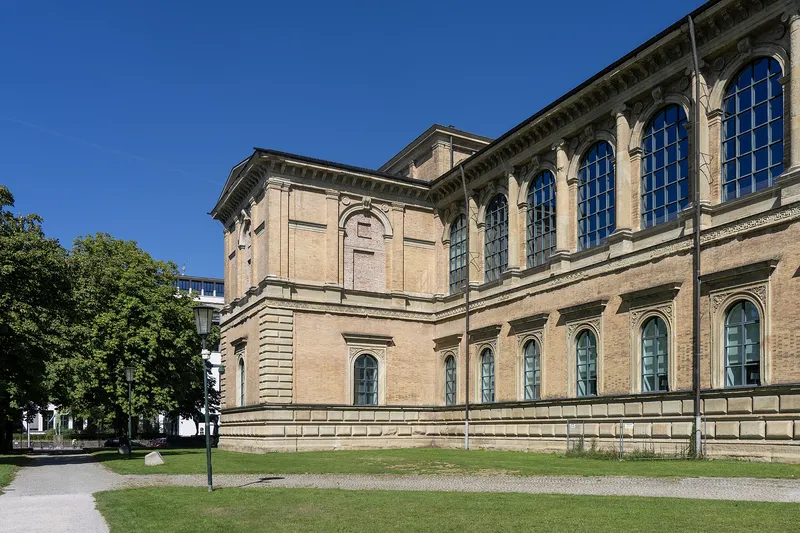
Alte Pinakothek, Munich
How to visit Munich's Old Masters gallery in the Kunstareal — the Dürers and Rubenses worth crossing town for, the Sunday-ticket angle, and how to build a wider museum-quarter day around it.
Read guide
Asamkirche, Munich
How to visit Munich's astonishing late-Baroque Asamkirche on Sendlinger Straße — the church two brothers built next to their own house — without overplanning it.
Read guide
Best Munich Tours
When a guided tour earns its place in a Munich trip — and which kind to pick. Old Town walks, food and beer crawls, football and BMW, the Third Reich history walk, and the big castle and Dachau day trips, weighed by time, cost and effort.
Read guide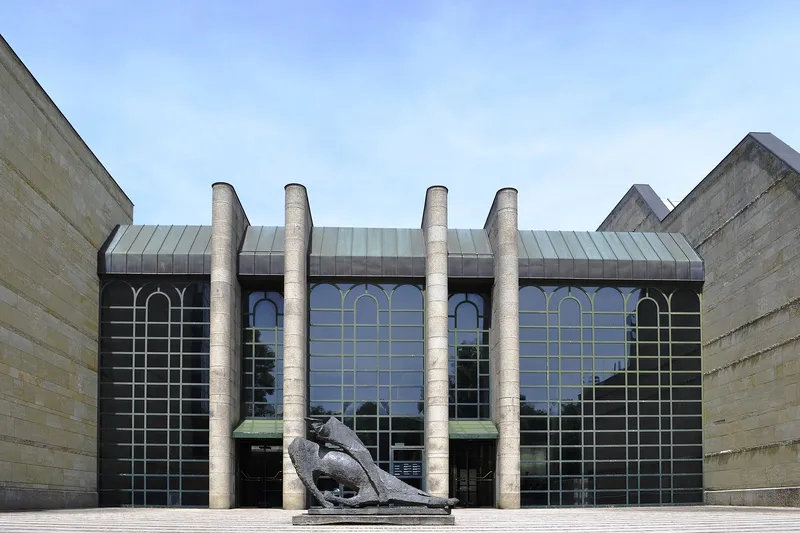
Best Museums in Munich
Choose the right Munich museum for you — by interest, by how much time you have, by which day of the week, and by how useful it is on a rainy day.
Read guide
Best Things to Do in Munich
A ranked first-trip shortlist — from Marienplatz and the Residenz to the beer gardens, the great museums and the English Garden.
Read guide