
Munich's Hidden Gems Worth Your Time
The smaller museums, hidden courtyards, quiet gardens and neighbourhood corners that don't make most first-trip lists but still deserve a slot in your Munich days.


- ✓Munich's best-kept secrets aren't far-flung — most sit a few minutes off the Marienplatz tourist track, hiding in courtyards, side chapels and the quieter halves of famous parks.
- ✓The pleasure of these places is space and quiet: a hidden Renaissance courtyard, a near-empty small museum, a garden bench where you can actually hear the city breathe.
- ✓We've kept this honest — only stops genuinely worth your limited time, grouped so you can fold one or two into a day that's already built around the big sights.
- ✓Opening hours and admission for the smaller museums and gardens change with the season, so treat the specifics as evergreen guidance and verify before you cross the city for one.
Quiet courtyards and corners in the Altstadt
The Old Town hides more than its busy squares suggest. Most visitors walk straight past doorways that open onto calm inner courtyards — a very Munich pleasure, because the city was built around them. Slip into the right gateway and the crowd noise drops away within a few steps.
Some of these are sights in their own right and some are simply lovely pauses. The point is to look up and through archways as you walk, and to treat a half-open door as an invitation when it clearly leads to a public passage. A handful of the Old Town's churches also hold tiny, easily-missed treasures in their side chapels that reward a quiet two minutes when the main aisles are full.
- The arcaded courtyards of the Residenz complex — grand but often surprisingly quiet compared with the museum rooms inside.
- Small Altstadt passages and inner courts off the main shopping streets, where a café or a fountain sits hidden from the crowds.
- The Asamkirche's astonishing little Baroque interior on Sendlinger Straße — famous among those in the know, still missed by many first-timers rushing between bigger churches.
- Side chapels and quiet corners of the Frauenkirche and St. Peter's, best appreciated in the early morning lull.

The small museums most visitors never reach
Munich's big museums deserve their fame, but the city's quieter institutions are often where a trip becomes memorable — precisely because you weren't expecting them and you have the rooms more or less to yourself. The museum quarter, the Kunstareal in Maxvorstadt, is full of these smaller collections sitting in the shadow of the Pinakotheken.
Beyond the art quarter, Munich has an unusually deep bench of specialist museums: hunting and fishing, porcelain, the city's own history, transport and more. You won't visit them all, and you shouldn't try. The trick is to pick one whose subject genuinely interests you and give it an unhurried hour while everyone else queues for the famous galleries. As ever with the smaller houses, opening days and admission vary and some keep limited hours, so confirm on the official site before you make a special trip.
- The Museum Ägyptischer Kunst (State Museum of Egyptian Art) near the Pinakotheken — much of it underground in a striking modern space, and rarely crowded.
- The Glyptothek and Staatliche Antikensammlungen on Königsplatz — Greek and Roman art in neoclassical halls that most museum-hoppers skip.
- Munich's smaller specialist collections — graphic art, casts, minerals and the like — scattered through Maxvorstadt, often free or cheap and frequently empty.
- The Münchner Stadtmuseum (city museum) for the local story — check its current status and any partial closures or renovation before relying on it (verify).
Gardens, viewpoints and the quieter halves of famous parks
Munich's most famous green space, the English Garden, is enormous — bigger than several city centres — and almost everyone clusters in its southern third around the Eisbach wave and the Chinese Tower. Walk north instead and within minutes you have meadows, streams and benches largely to yourself, all the way up towards Aumeister. The same logic applies across the city: the celebrated parks have quiet ends, and the quiet ends are the gems.
There are also smaller, gentler gardens that almost no first-timer finds. The Hofgarten's arcades near the Residenz are a calm, elegant pause minutes from Odeonsplatz. The Botanical Garden out by Nymphenburg is a serene half-day for plant lovers and anyone craving a glasshouse on a grey afternoon (verify its hours, which change seasonally). And the canal and pavilion side of Nymphenburg Park rewards walkers who go beyond the palace facade.
- The northern English Garden — meadows and stream banks far quieter than the southern beer-garden zone.
- The Hofgarten arcades beside the Residenz — a serene, photogenic pause in the centre of the city.
- The pavilions, canals and far paths of Nymphenburg Park, well beyond the palace forecourt.
- The Monopteros rise for a low, easy viewpoint over the park and the city skyline — lovely near sunset.


Neighbourhoods that feel like the real Munich
If your idea of a hidden gem is less a single sight than a whole atmosphere, point yourself at the residential quarters just outside the Old Town. These are where Munich actually lives — and where you'll find the cafés, corner bakeries and small squares that no tour bus stops at. Spend a slow morning in one and you'll understand the city far better than another lap of Marienplatz could teach you.
Haidhausen, across the Isar, has village-like squares and the streets of its so-called French Quarter. The Westend, west of the centre, is an unpretentious, food-forward quarter that still feels local. And Maxvorstadt, beyond its museums, is a genuine neighbourhood of student cafés and leafy side streets. None of these needs a plan — the gem is simply to be there, coffee in hand, watching ordinary Munich go by.
- Haidhausen — village squares and the leafy streets of the French Quarter, just over the Isar from the centre.
- Westend — a down-to-earth, multicultural and food-forward area near the Theresienwiese.
- Maxvorstadt's residential streets — student cafés and quiet corners beyond the famous museums.
- The Isar riverbanks themselves — gravel beaches, picnic spots and walking paths that feel a world away from the Old Town crowds.
 Haidhausen Munich guideThe village-like quarter across the river, with its French Quarter streets and local tables.
 Maxvorstadt Munich guideThe museum district that is also a real neighbourhood of cafés and leafy streets.
 Isar River walks and beachesWhere to find the gravel beaches, picnic spots and quiet riverside paths.
How to fold a gem or two into a normal trip
The mistake is to build a whole day out of hidden gems — you'll end up zig-zagging the city for diminishing returns. These places work best as the gentle counterweight to a day already anchored by something big. See the Residenz, then decompress in the Hofgarten arcades next door. Do a Pinakothek in the morning, then give a quiet half-hour to the Egyptian museum across the road. Walk the southern English Garden for the surfers and the beer garden, then keep going north into the empty meadows.
Timing helps too. Smaller sights and quieter neighbourhoods are at their best on weekday mornings and out of the school holidays, when you'll often have them nearly to yourself. And because so many of these stops are indoors or sheltered, a clutch of them makes an excellent plan for a grey, wet afternoon when the famous outdoor sights have lost their shine. Keep one slot loose, follow your curiosity, and let Munich's quieter half find you.


At a glance
A quick planning reference. Confirm hours and admission for any specific museum or garden on its official site, as these change seasonally.
- Best for: travellers past the first-trip basics who want quiet, atmosphere and a more local Munich.
- How to use it: fold one or two gems into a day built around a major sight — don't make a whole itinerary of them.
- Quietest timing: weekday mornings, outside school holidays; northern parks and small museums are emptiest.
- Great in the rain: the small museums and the Old Town's churches and courtyards.
- Costs: many stops here — courtyards, gardens, river walks — are free; small museums are usually inexpensive (verify).
- Don't over-plan: leave one loose slot and let curiosity steer you off the main route.
Maxvorstadt, Munich
Munich's museum quarter and university heart — the Kunstareal's Pinakotheken, leafy student streets, third-wave coffee and boutique hotels, and why it's one of the best-value central bases in the city.
Read guideHaidhausen, Munich
Munich's most village-like central quarter, just over the Isar — the French Quarter's pretty streets and squares, an excellent dinner scene, the Gasteig/HP8 culture campus, and a quietly romantic place to stay.
Read guideWestend, Munich
A characterful, food-forward district just west of the Theresienwiese — multicultural, increasingly hip, and one of the best-value central bases in Munich, especially for Oktoberfest.
Read guideMore in Things to Do
6
Allianz Arena, Munich
How to visit Munich's glowing football stadium — the self-guided Erlebnistour, the FC Bayern Museum, match-day logistics, and the easy U6 ride out to Fröttmaning.
Read guide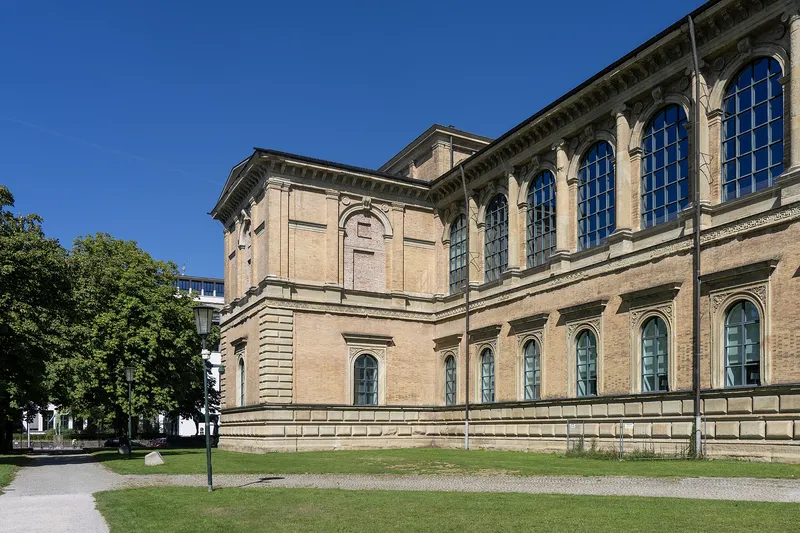
Alte Pinakothek, Munich
How to visit Munich's Old Masters gallery in the Kunstareal — the Dürers and Rubenses worth crossing town for, the Sunday-ticket angle, and how to build a wider museum-quarter day around it.
Read guide
Asamkirche, Munich
How to visit Munich's astonishing late-Baroque Asamkirche on Sendlinger Straße — the church two brothers built next to their own house — without overplanning it.
Read guide
Best Munich Tours
When a guided tour earns its place in a Munich trip — and which kind to pick. Old Town walks, food and beer crawls, football and BMW, the Third Reich history walk, and the big castle and Dachau day trips, weighed by time, cost and effort.
Read guide
Best Museums in Munich
Choose the right Munich museum for you — by interest, by how much time you have, by which day of the week, and by how useful it is on a rainy day.
Read guide
Best Photography Spots in Munich
Rooftops, squares, churches, parks and palaces — the most photogenic places in Munich, with the light and timing notes to shoot each one well.
Read guide