
Shopping in Munich: The Complete Guide
Where to shop in Munich — the pedestrian high street, the luxury of Maximilianstraße, design boutiques, markets and souvenirs — plus the one rule that catches everyone out: Sundays.

Photo: Alisa Anton / Unsplash

- ✓Munich's shopping splits cleanly: the busy pedestrian high street from Karlsplatz to Marienplatz for everyday brands, and Maximilianstraße for international luxury.
- ✓The single most important thing to know: almost all shops close on Sundays in Germany — plan your buying for any other day and keep Sunday for markets, museums and cafés.
- ✓Between the two extremes lie the real finds — Bavarian Tracht (Lederhosen and Dirndl), design and homeware boutiques, and food gifts from the Viktualienmarkt and Dallmayr.
- ✓Prices, hours and individual shops change constantly, so we've kept this evergreen — treat specifics as guidance and verify before relying on them.
The lay of the land: where Munich shops
Munich makes shopping easy to map because it's so geographically tidy. The mass-market high street runs in a straight pedestrian line through the Old Town, from Karlsplatz (Stachus) past Karlstor, along Neuhauser Straße and Kaufingerstraße, to Marienplatz — one of the busiest shopping axes in Germany, lined with department stores, chains and flagship shops. It's efficient and crowded; come early if you dislike a crush.
Step a few streets away and the character changes. Theatinerstraße and the streets around Fünf Höfe lean upmarket and design-led. Maximilianstraße, running east from the opera house, is the luxury boulevard — the home of international fashion houses and the city's grandest window-shopping. And for character over labels, the Hackenviertel and the streets of the Glockenbachviertel hide independent boutiques, concept stores and vintage. Whatever you're after, almost all of it sits inside the old ring and is comfortably walkable.
- Neuhauser Straße / Kaufingerstraße — the pedestrian high street between Karlsplatz and Marienplatz; chains and department stores.
- Theatinerstraße & Fünf Höfe — smarter shops and design in covered passages near Odeonsplatz.
- Maximilianstraße — international luxury and the grand boulevard window-shop.
- Hackenviertel & Glockenbachviertel — independents, concept stores and vintage away from the chains.
The Sunday rule — and how to work around it
Here is the thing that trips up almost every first-time visitor: in Germany, shops are closed on Sundays. This is the Ladenschlussgesetz, the shop-closing law, and Bavaria applies it strictly. With very limited exceptions, clothing shops, department stores, design boutiques and supermarkets all shut on Sundays, and most stay closed on public holidays too. If your one free day for buying souvenirs is a Sunday, you will find the high street eerily quiet.
The workaround is to plan around it rather than fight it. Do your real shopping on any weekday or on Saturday, and keep Sunday for the things that stay open: markets with food stalls, museums, churches, parks, cafés and restaurants. A few categories of shop are legally allowed to trade on Sundays — bakeries (usually mornings), and the convenience shops inside the Hauptbahnhof and the airport — so a Sunday emergency Brezn or bottle of water is always findable. But for actual shopping, treat Sunday as a day off.
- Closed Sundays: clothing, department stores, design and homeware boutiques, supermarkets, most everything.
- Open Sundays: many bakeries (mornings), shops inside the Hauptbahnhof and Munich Airport, restaurants and cafés, food-market stalls.
- Saturdays are full shopping days — but the high street is busiest then.
- Public holidays are treated like Sundays; check the Bavarian calendar before you plan a buying day (verify).

Luxury and design: Maximilianstraße and the smart passages
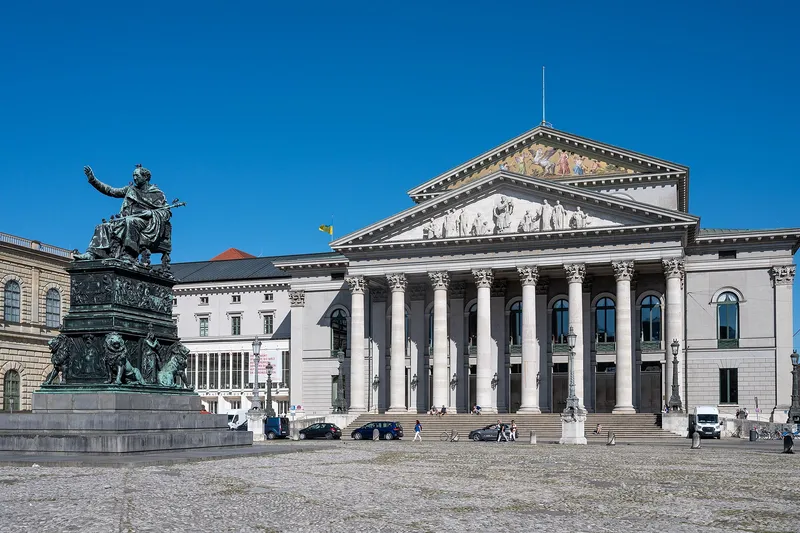
For high-end shopping, Munich punches well above its size — it's one of Germany's wealthiest cities and the shopping reflects it. Maximilianstraße is the centrepiece: a wide, stately boulevard laid out by King Maximilian II, lined with the flagship boutiques of international fashion and jewellery houses, and anchored by the National Theatre (the opera) at its western end. Even if you're only window-shopping, it's worth the stroll for the architecture and the people-watching.
Close by, the Fünf Höfe — a network of covered courtyards and passages near Theatinerstraße — gathers design, fashion and homeware in a striking modern-meets-historic setting, with an art gallery (the Kunsthalle) folded in. Theatinerstraße and Residenzstraße fill in the gap with smart mid-to-upper labels. This whole cluster sits a short walk north of Marienplatz, so you can drift from the high street into luxury territory in a few minutes.

Tracht, markets and the things that say 'Munich'
Some of the most rewarding Munich shopping isn't about brands at all. Traditional Bavarian dress — Tracht, meaning Lederhosen for men and the Dirndl for women — is genuinely worn here, especially around Oktoberfest, and the city has both serious traditional outfitters and cheaper costume shops. A good Dirndl or pair of Lederhosen is a real, wearable keepsake; quality varies enormously, so it's worth visiting an established Trachten house rather than a tourist costume rack if you want something to last.
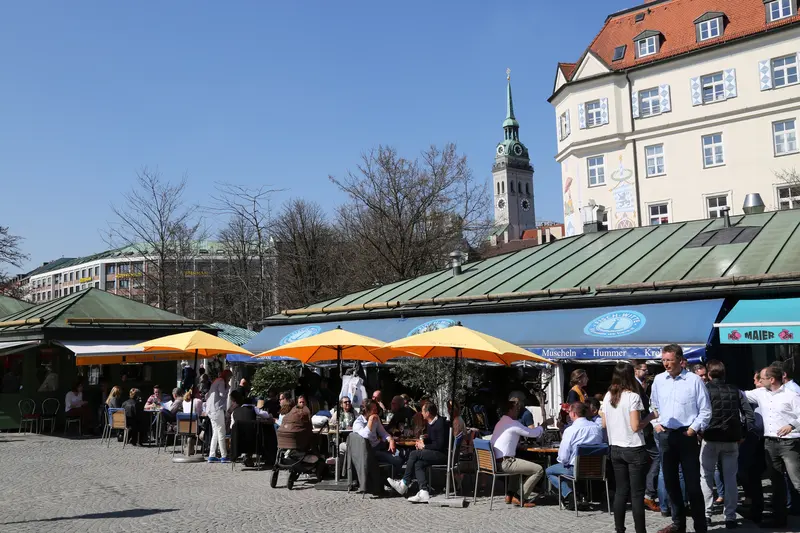
For edible souvenirs, the Viktualienmarkt near Marienplatz is the obvious stop — stalls of honey, mustard, spices, cheese and Bavarian specialities, plus a beer garden in the middle. The grand delicatessen Dallmayr, just off Marienplatz, is a Munich institution for coffee, chocolates and fine foods in a beautiful setting. And in the weeks before Christmas, the Marienplatz Christkindlmarkt and the other seasonal markets become the city's most atmospheric shopping of all, full of handcrafted ornaments and food gifts.
- Tracht — Dirndl and Lederhosen from a proper Trachten outfitter for quality, or a costume shop for budget Oktoberfest wear.
- Viktualienmarkt — honey, mustard, spices, cheese and Bavarian food gifts in the heart of the Old Town.
- Dallmayr — the historic delicatessen near Marienplatz for coffee, chocolate and fine-food presents.
- Christmas markets — handcrafted ornaments, Lebkuchen and warm gifts from late November to Christmas Eve (verify dates each year).


Independents, vintage and the quarters worth a detour
If chains leave you cold, point yourself at Munich's independent quarters, where the shopping is about character rather than logos. The Hackenviertel, a pocket of the Old Town south-west of Marienplatz, keeps small specialist shops and a village feel inside the centre. Cross towards the Glockenbachviertel and Gärtnerplatz and you find concept stores, design boutiques, record shops, vintage clothing and the kind of independent retailer that gives a neighbourhood its personality. These are slower, browse-it-properly streets rather than efficient shopping runs.
Maxvorstadt and Schwabing, north of the centre, add bookshops, stationery, ceramics and student-priced finds among their cafés, and the markets across the city are good for second-hand treasure if your timing lines up. The reward of shopping this way is that you come home with things that actually feel of Munich — found in a small shop, chosen rather than grabbed — instead of the same items you could buy in any European capital. As always, independents keep their own hours and close on Sundays, so a weekday browse is the move.

Department stores, malls and rainy-day cover
When you want everything under one roof — or you're caught in the rain — Munich's department stores cluster along the pedestrian high street and around Marienplatz. They're handy for cosmetics, basics, gifts and a warm browse, and many include food halls in the basement that are good for picnic supplies and edible souvenirs. The Fünf Höfe passages also offer covered shopping in poor weather.
Out of the centre, larger shopping centres sit by transit hubs for those who specifically want a mall experience, but most visitors never need them — the Old Town has more than enough. The smarter rainy-day move is to combine a department-store browse with a café and perhaps a small museum, so a grey afternoon turns into a pleasant indoor loop rather than a soggy trudge between sights.
One practical note for non-EU visitors: Germany operates a VAT-refund (tax-free shopping) scheme on qualifying purchases above a minimum amount when you take the goods home unused. If you're shopping at the higher end, ask the shop for the paperwork at the till and keep your receipts to claim the refund at the airport on departure. The thresholds and the process change, so confirm the current rules before relying on a refund — but it can make a real difference on a luxury purchase.

At a glance
A quick planning reference for a Munich shopping day. Confirm individual shop hours, prices and locations on the day, as these change.
- High street: Neuhauser Straße / Kaufingerstraße, Karlsplatz to Marienplatz — chains and department stores.
- Luxury: Maximilianstraße and the Fünf Höfe / Theatinerstraße cluster.
- Independents: Hackenviertel and Glockenbachviertel.
- Closed Sundays — plan buying for a weekday or Saturday; keep Sunday for markets, museums and cafés.
- Best souvenirs: Tracht, Viktualienmarkt food gifts, Dallmayr, Christmas-market crafts.
- Busiest: Saturdays and the December run-up; quietest: weekday mornings.

Maximilianstraße, Munich's Grand Boulevard
Munich's most elegant street — the luxury-shopping boulevard from the opera house to the Maximilianeum, its 'Maximilian style' architecture, cafés and the opera district at its head.
Read guide
Karlsplatz (Stachus), Munich
How to use Munich's grand western gateway — the Karlstor gate into the Altstadt, the fountain and the winter ice rink, the shopping street that starts here, and the transport hub beneath.
Read guide
What to Buy in Munich: Souvenirs Worth Bringing Home
Tasteful Munich souvenirs that aren't tourist tat — Bavarian food gifts, beer-hall classics, traditional dress, design objects and Christmas-market finds, with where to buy each.
Read guideMore in Things to Do
6
Allianz Arena, Munich
How to visit Munich's glowing football stadium — the self-guided Erlebnistour, the FC Bayern Museum, match-day logistics, and the easy U6 ride out to Fröttmaning.
Read guide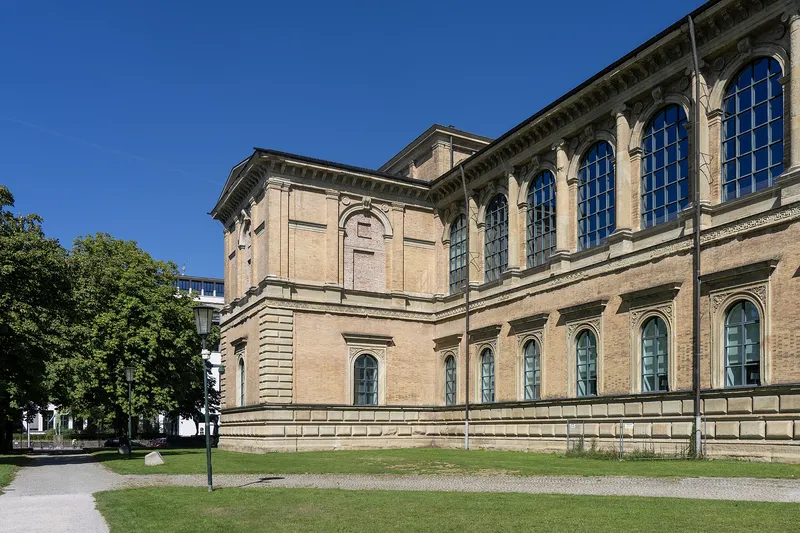
Alte Pinakothek, Munich
How to visit Munich's Old Masters gallery in the Kunstareal — the Dürers and Rubenses worth crossing town for, the Sunday-ticket angle, and how to build a wider museum-quarter day around it.
Read guide
Asamkirche, Munich
How to visit Munich's astonishing late-Baroque Asamkirche on Sendlinger Straße — the church two brothers built next to their own house — without overplanning it.
Read guide
Best Munich Tours
When a guided tour earns its place in a Munich trip — and which kind to pick. Old Town walks, food and beer crawls, football and BMW, the Third Reich history walk, and the big castle and Dachau day trips, weighed by time, cost and effort.
Read guide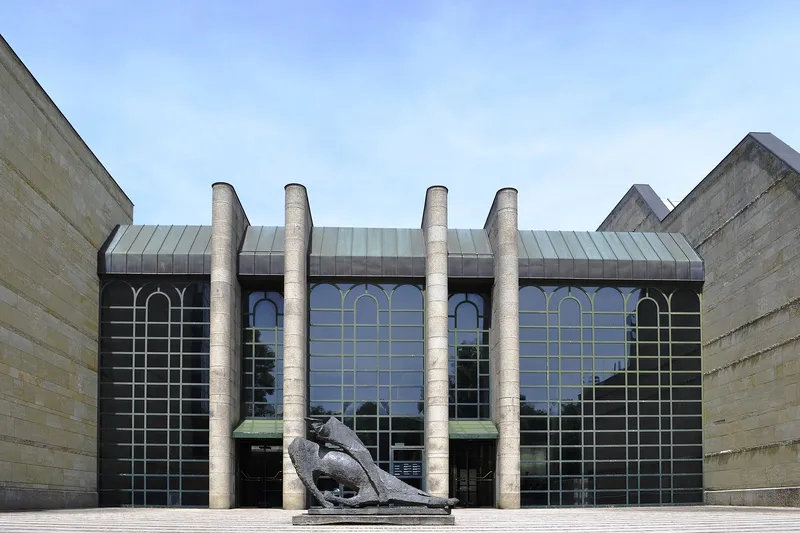
Best Museums in Munich
Choose the right Munich museum for you — by interest, by how much time you have, by which day of the week, and by how useful it is on a rainy day.
Read guide
Best Photography Spots in Munich
Rooftops, squares, churches, parks and palaces — the most photogenic places in Munich, with the light and timing notes to shoot each one well.
Read guide